On the occasion of forty days since his martyrdom.
On the occasion of the passing of forty days since his martyrdom
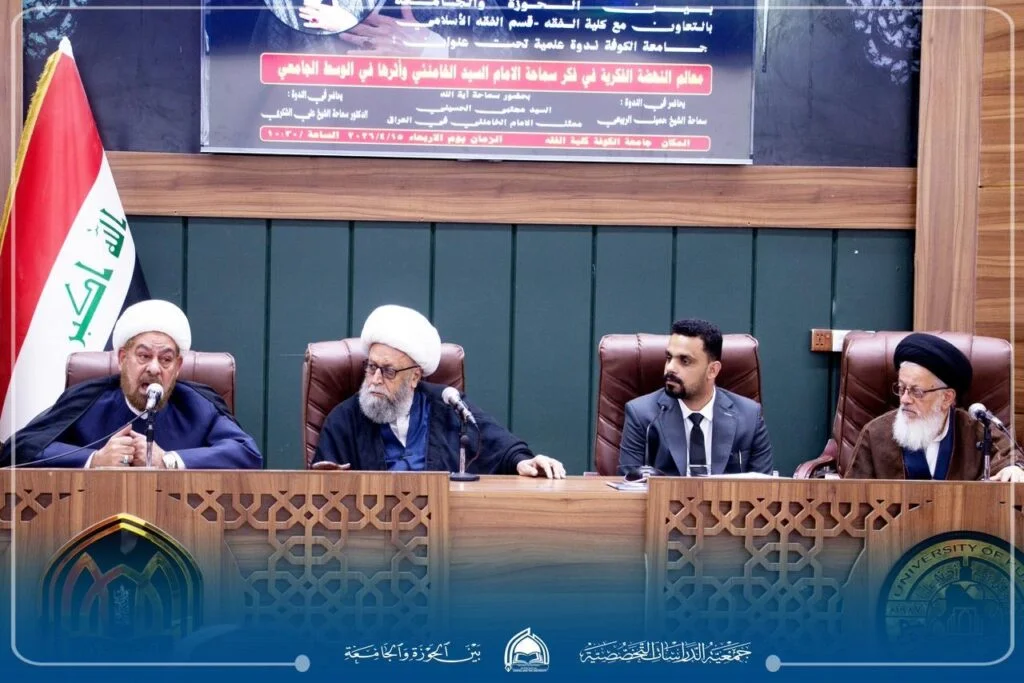
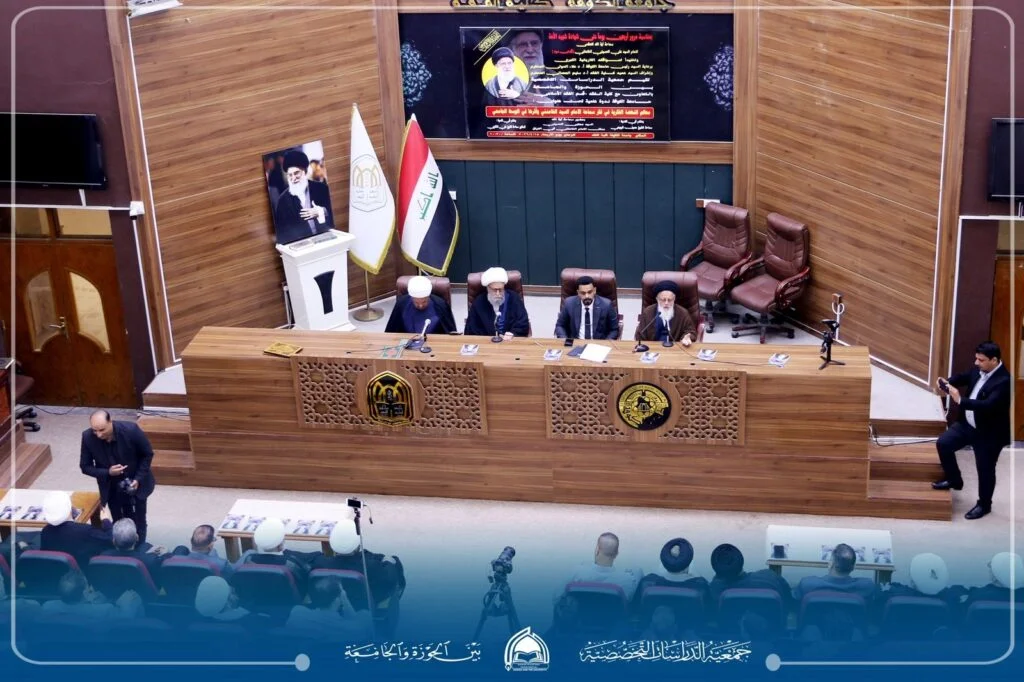
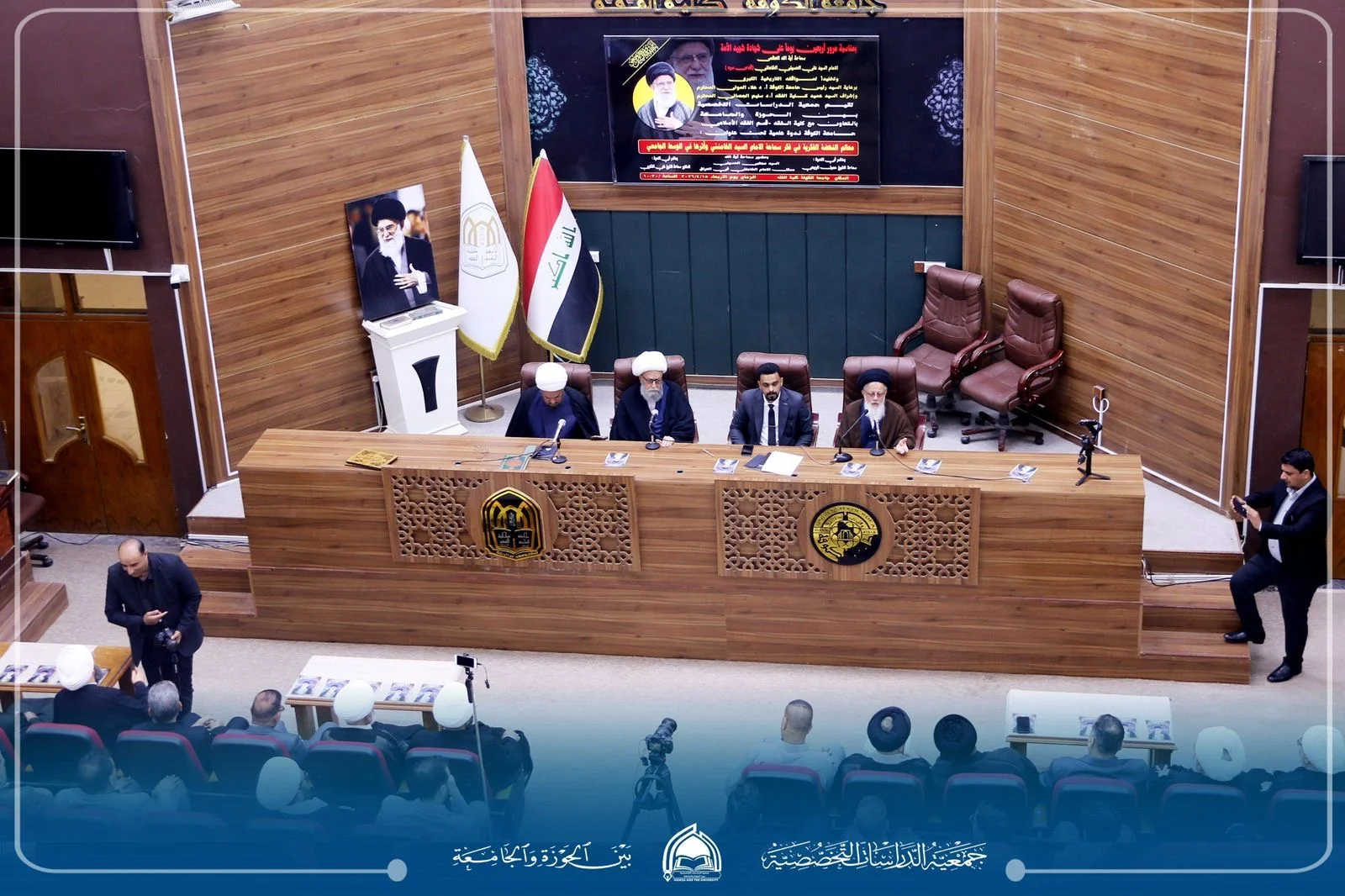
The Association of Specialized Studies between the Seminary and the University, in cooperation with the College of Jurisprudence at the University of Kufa, holds a scientific symposium on: Landmarks of the Intellectual Renaissance in the Thought of His Eminence Imam Sayyid Ali Khamenei and Its Impact on the University Community ..
•========================•
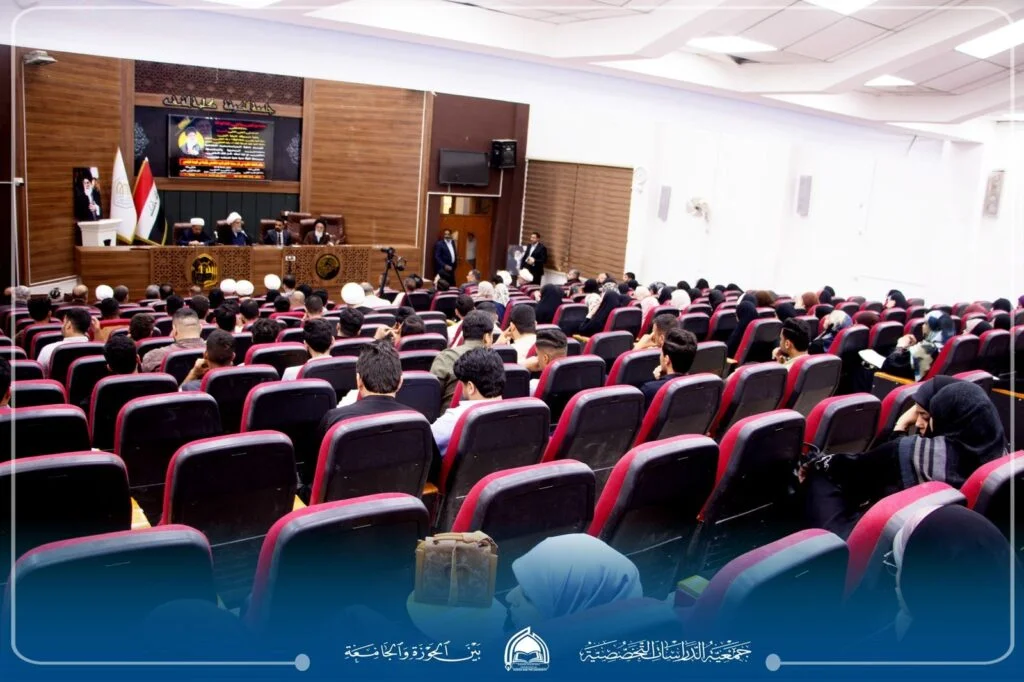
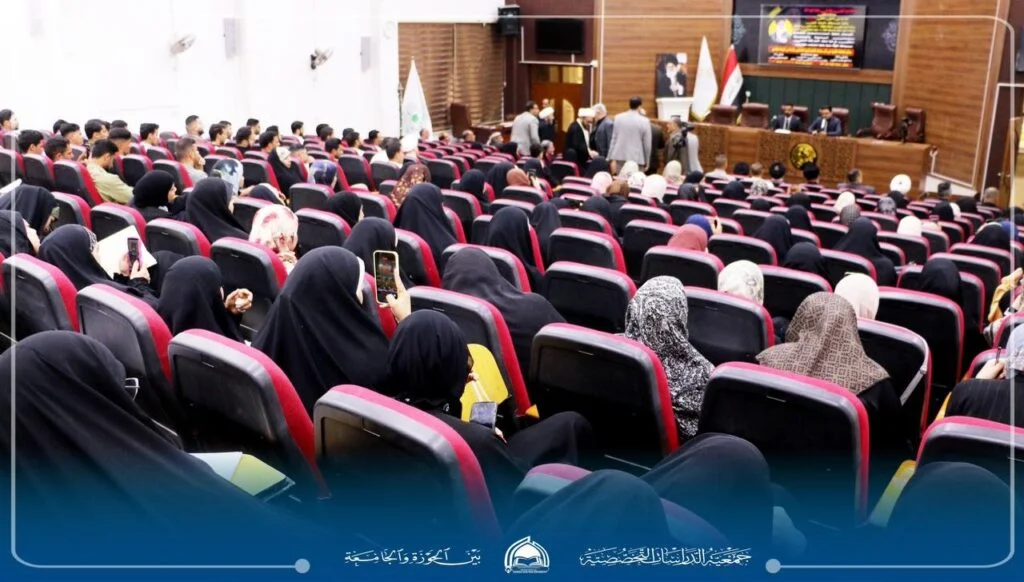
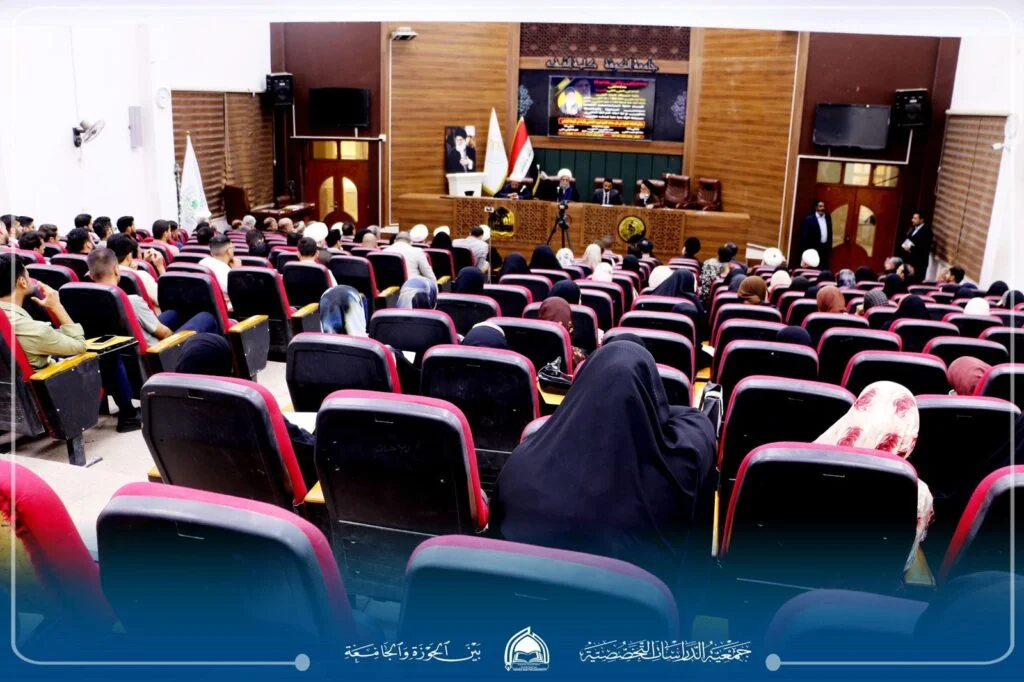
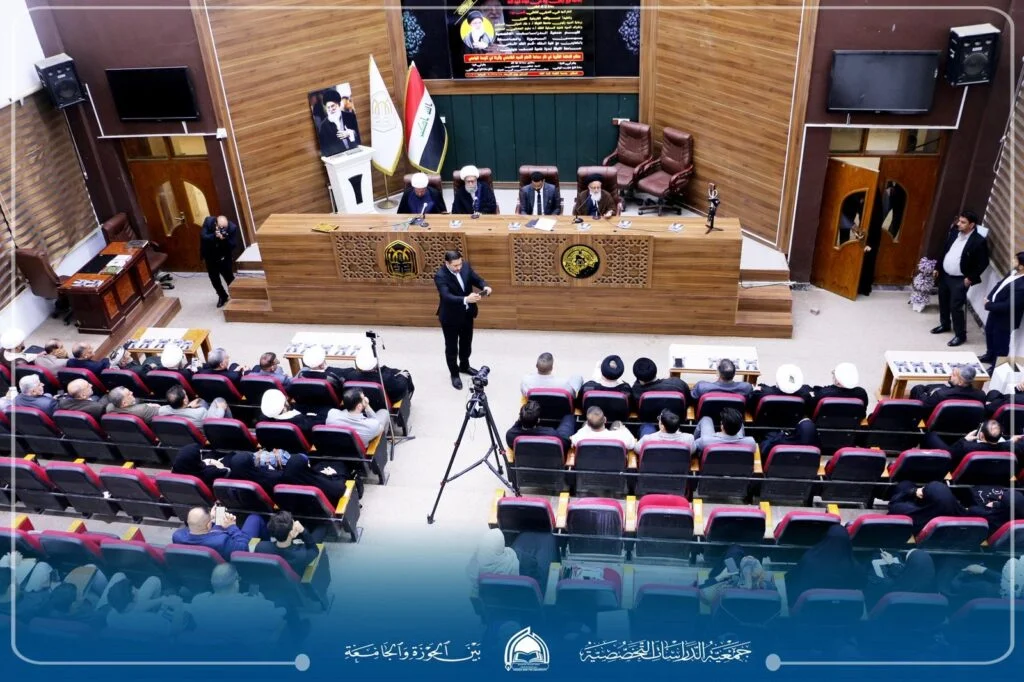
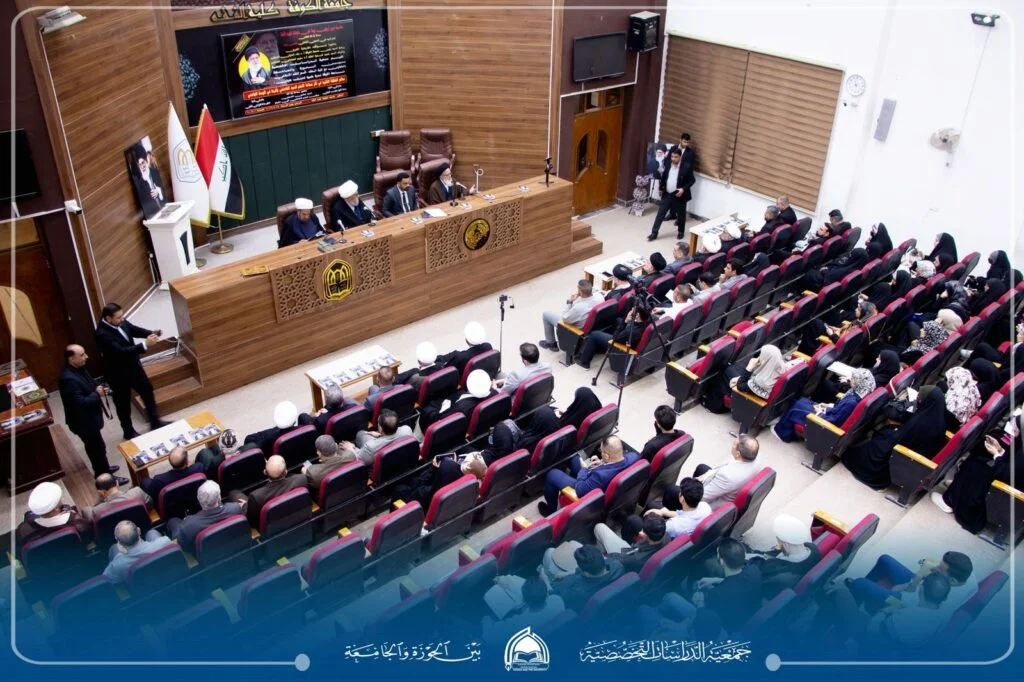
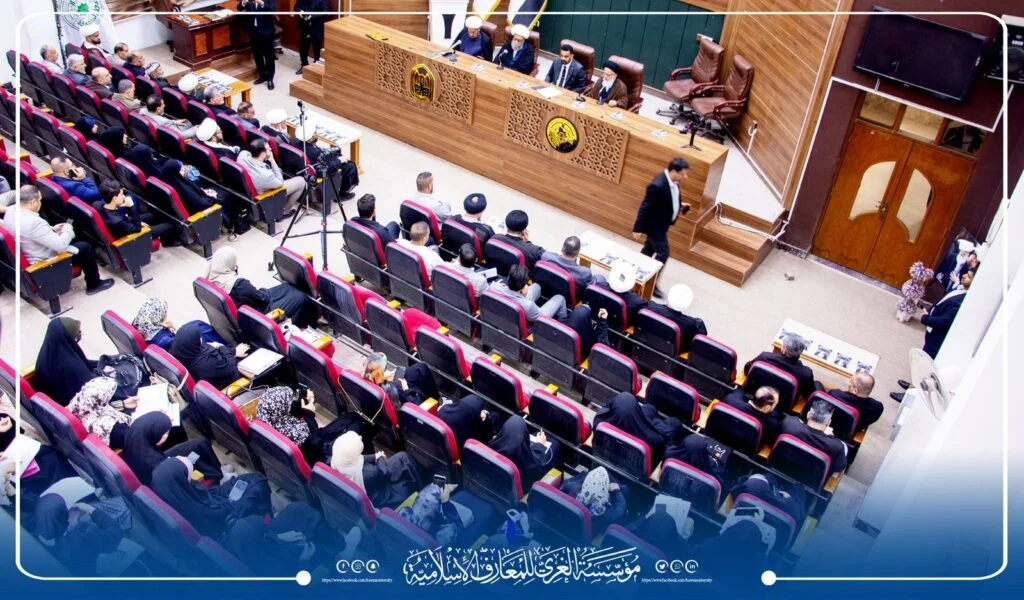
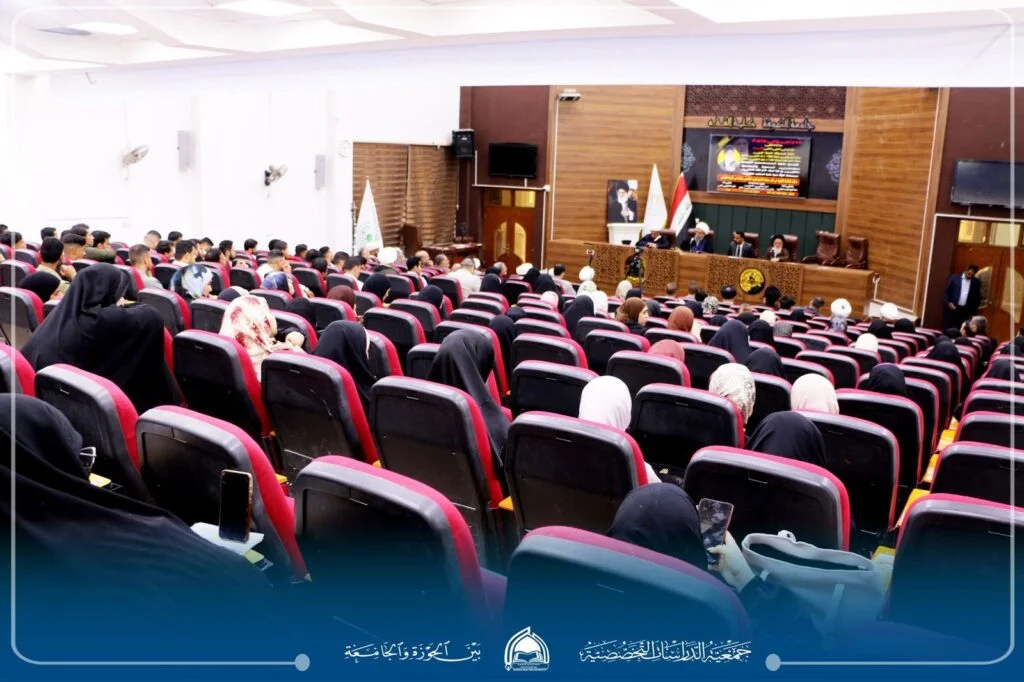
The University of Kufa witnessed a wide scientific and cultural presence at the scientific symposium held by the Association of Specialized Studies between the Seminary and the University, in cooperation with the College of Jurisprudence – University of Kufa, on the occasion of the passing of forty days since the martyrdom of the martyr of the nation, His Eminence Grand Ayatollah Imam Sayyid Ali Husseini Khamenei (may his soul be sanctified), in commemoration of his historic stances and his eternal missionary approach.
The symposium was titled:
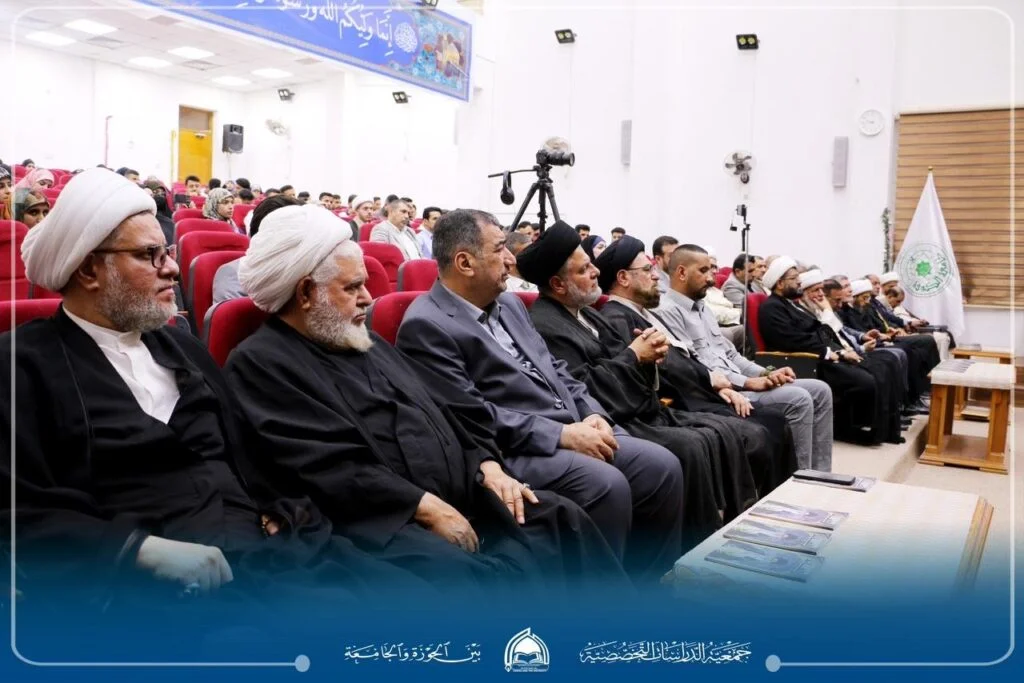
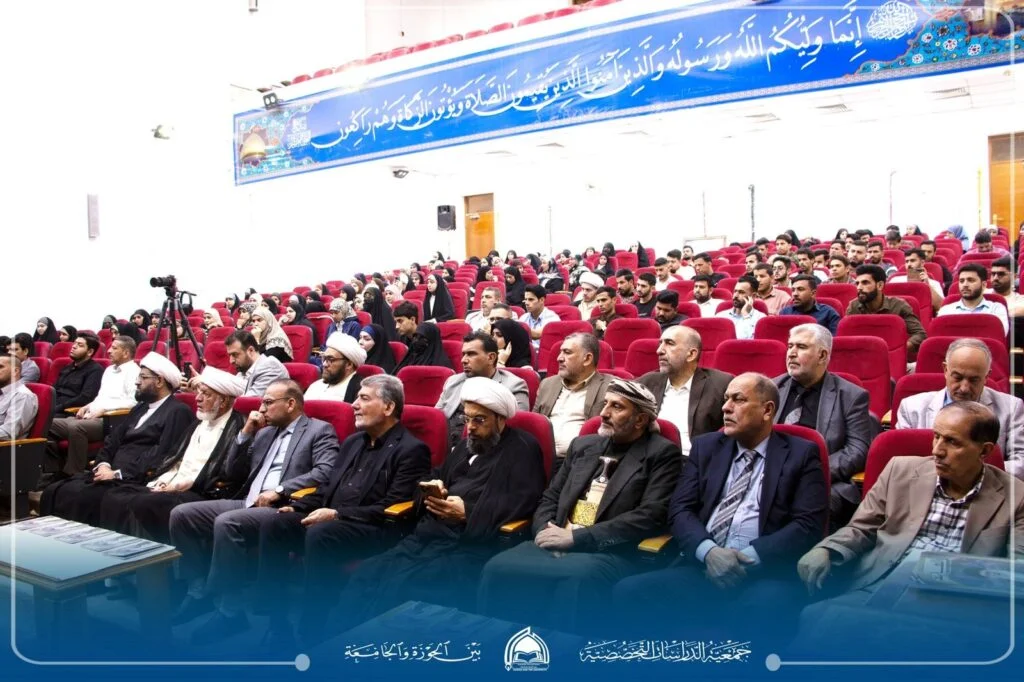
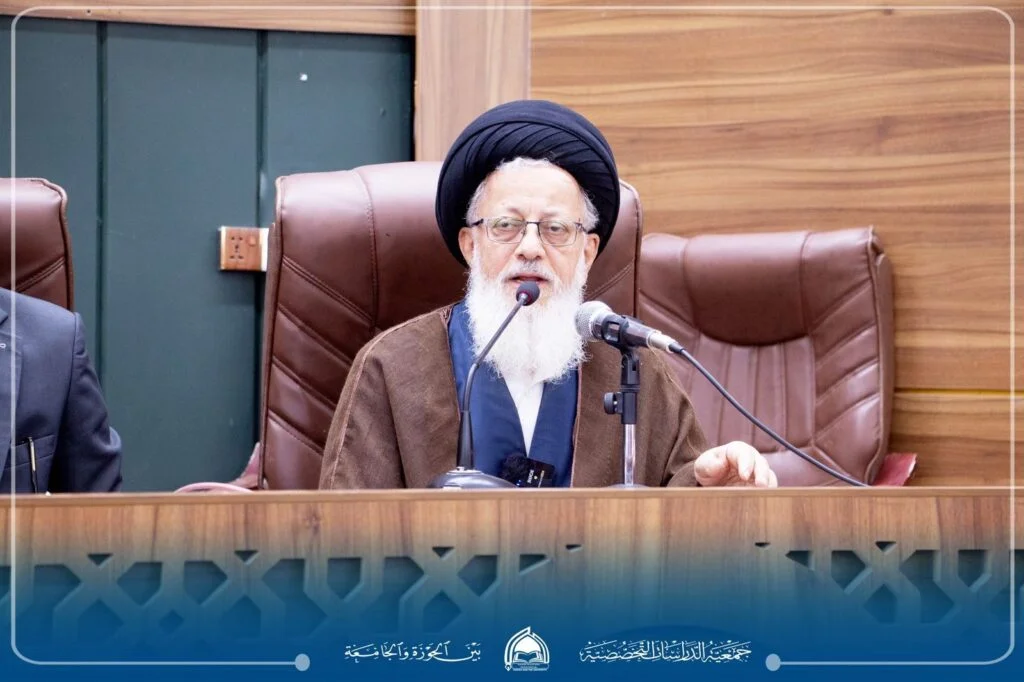
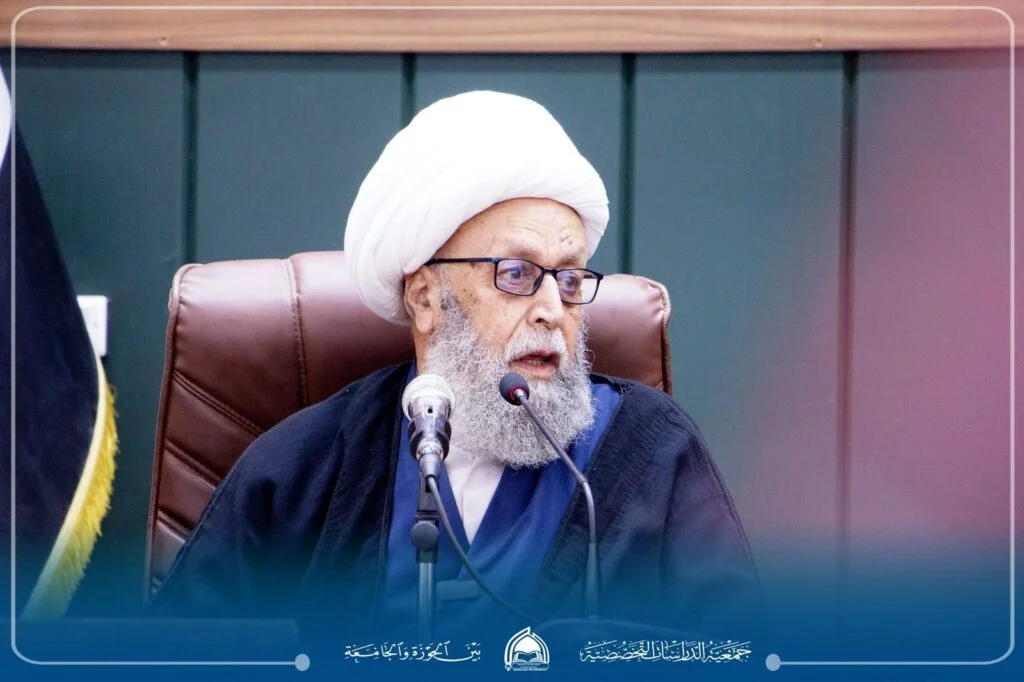
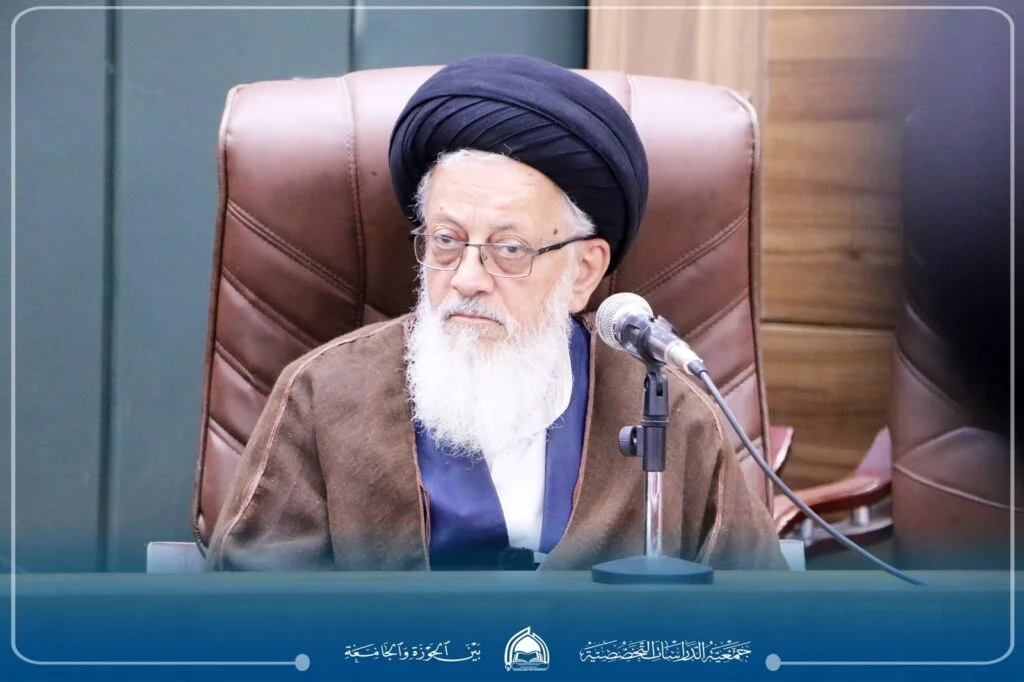
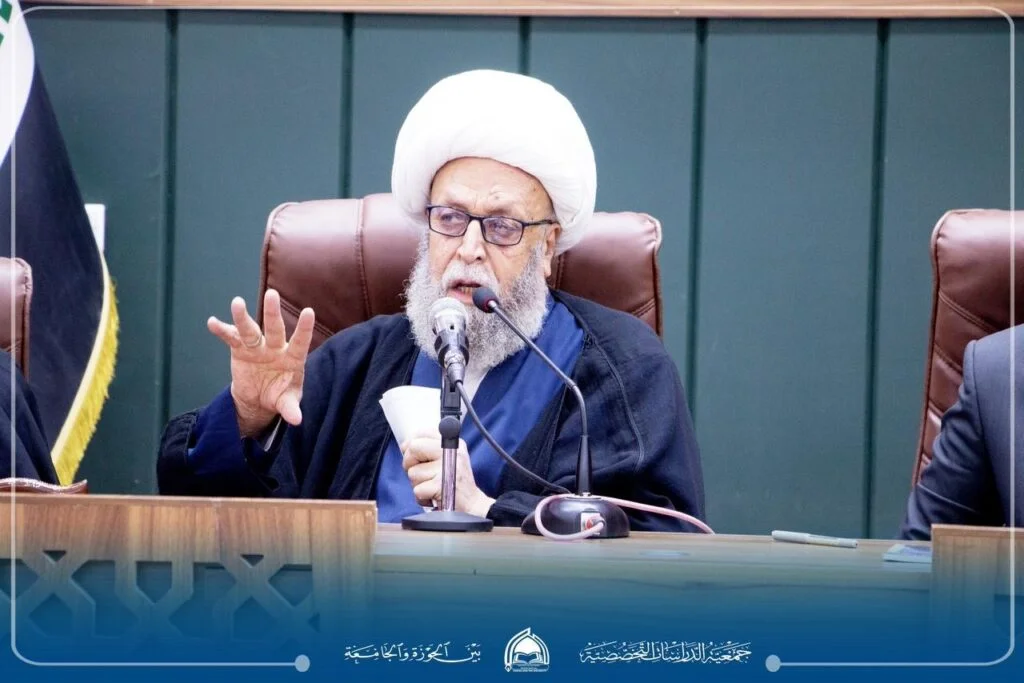
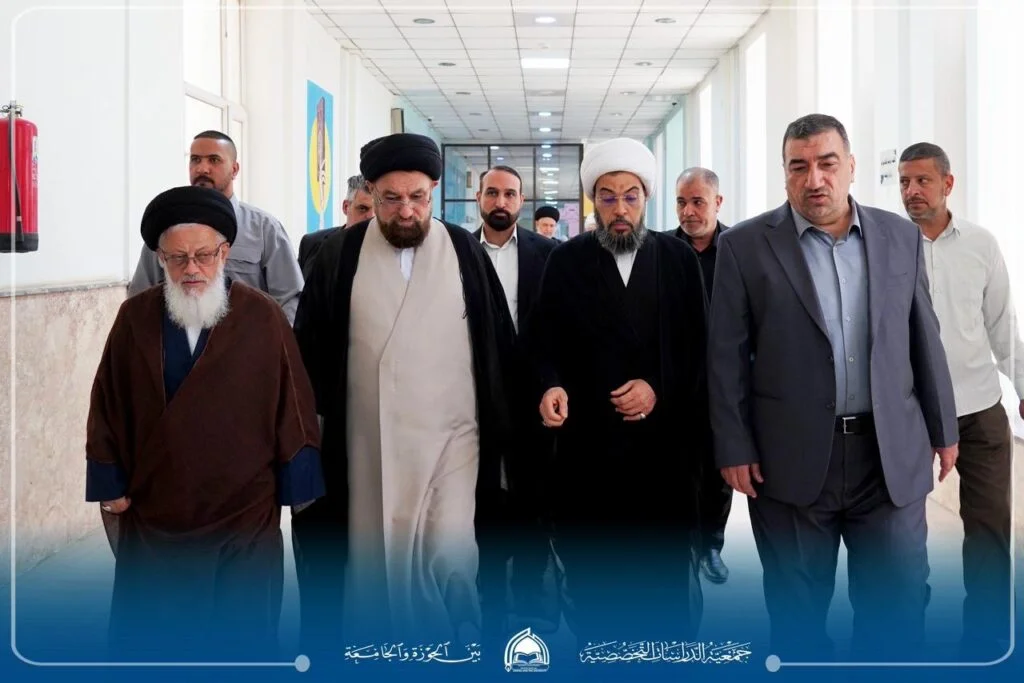
"Landmarks of the Intellectual Renaissance in the Thought of His Eminence Imam Sayyid Ali Khamenei and Its Impact on the University Community," attended by the University President, Professor Dr. Ala'a Al-Mulla, the Dean of the College of Jurisprudence, Professor Dr. Salim Al-Jassani, the representative of Imam Khamenei in Iraq, His Eminence Ayatollah Mojtaba Al-Husseini, and His Eminence Sheikh Qasim Al-Hashemi, President of the Association, along with an elite group of university professors and students, directors of cultural institutions and scientific centers, and representatives of seminaries and grand religious authorities.
Symposium Themes and Key Highlights:
The symposium opened with recitations from the Holy Quran, followed by research papers that emphasized the importance of remembering major intellectual figures and drawing inspiration from their civilizational projects in building awareness and confronting contemporary challenges.
First: Speech by Ayatollah Sayyid Mojtaba Al-Husseini:
He affirmed that Imam Khamenei was "a star in the sky of Islamic knowledge" and a symbol of Islamic unity, pointing to his role in establishing concepts of independence and rejecting dependency, and his founding of an integrated vision for Islamic governance based on the interaction of the people with leadership. He also explained that the project of Wilayat al-Faqih, under his guidance, transformed into a global jihadist project, and that the resilience of the Islamic Republic resulted from the wisdom of leadership and the sacrifices of the people.
He also highlighted his great interest in the academic community, as he maintained continuous communication with professors and students, with a paternal care that enhances their role in shaping the future.
Second: Lecture by His Eminence Sheikh Jamil Al-Rubaie:
He provided a deep analytical reading of the personality of Imam Khamenei as a leadership model that combined faith, thought, and politics, focusing on a set of fundamental pillars in his character, including:
• Faith-based awareness embodied in action, insight, and sacrifice.
• Popular awareness and his ability to embrace diversity and build public acceptance.
• Asceticism, simplicity, and freedom from personal tendencies, which strengthened societal trust.
• Strategic patience in facing challenges after experiences of imprisonment and exile.
• Deep understanding of the nature of international conflict and ways to fortify society.
He also emphasized the centrality of the Holy Quran in his intellectual project and the importance of the Arabic language for understanding religious texts, in addition to his success in combining intellectual awareness and political action within a comprehensive reform project.
Third: Lecture by Dr. Sheikh Ali Al-Shukri:
He addressed the landmarks of the intellectual renaissance in the thought of Imam Khamenei within the university community, explaining that the university represents a central axis in the civilizational renaissance project. He focused on several pillars, most notably:
• The centrality of productive knowledge and the shift from reception to creativity.
• Intellectual independence and confronting cultural dependency on the West.
• The integration of knowledge and values to ensure the direction of knowledge towards construction, not destruction.
• The role of university youth as future leaders and drivers of change.
• Islamization of the humanities and their reconstruction according to an authentic Islamic vision.
• The concept of scientific jihad as a path to achieving independence and progress.
Conclusion of the Symposium
The symposium concluded by affirming that the thought of Imam Khamenei represents an integrated civilizational project that combines knowledge, values, and independence, placing a great responsibility on universities in building awareness and raising generations capable of facing challenges.
The symposium witnessed significant interaction from university professors and students through their participation in the dialogue at the conclusion of the symposium.
Participants also stressed the need to continue such scientific events that enhance integration between the seminary and the university, and contribute to producing a sound intellectual discourse that serves the nation's issues and keeps pace with contemporary developments.
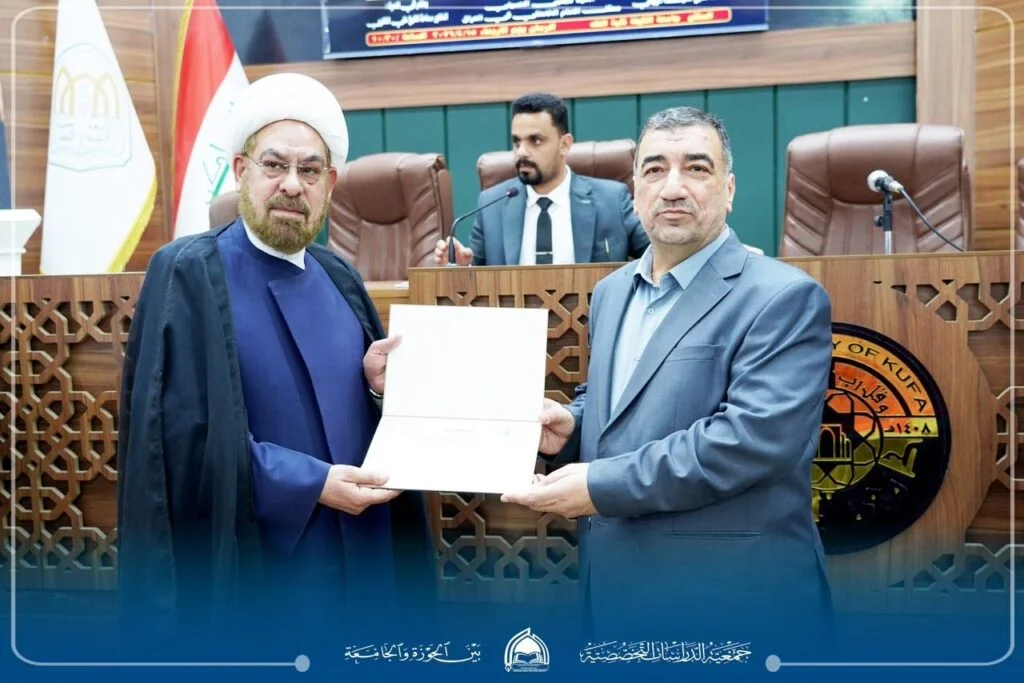
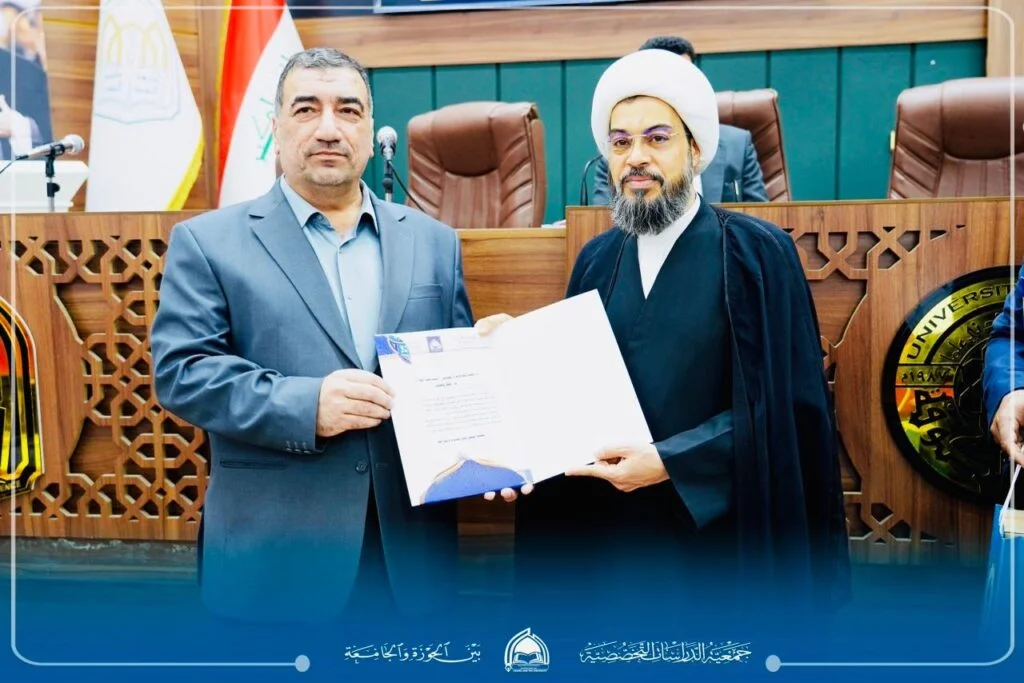
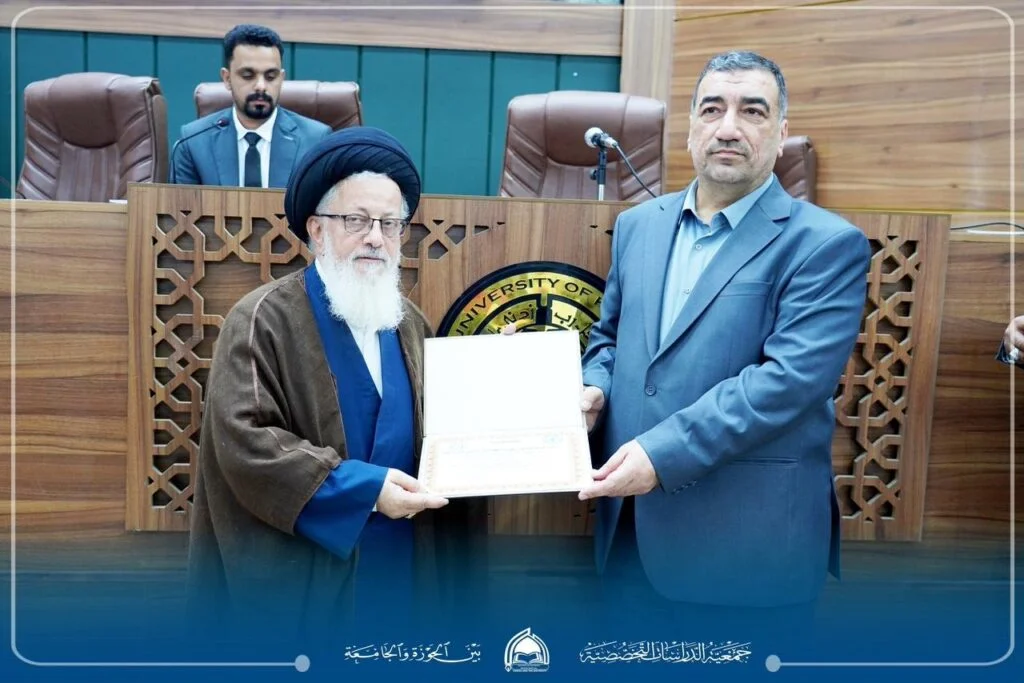
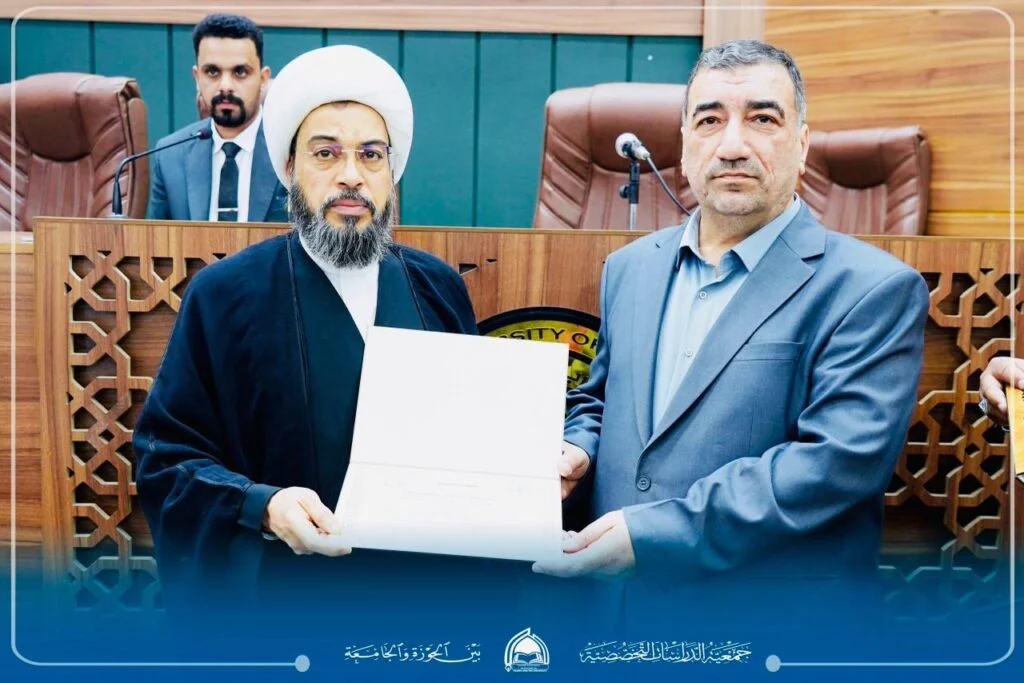
After the symposium concluded, the Dean of the College of Jurisprudence, Professor Dr. Salim Al-Jassani, honored the participating scientific figures, and Sheikh Qasim Al-Hashemi presented plaques of thanks and appreciation to Dr. Al-Jassani in recognition of his efforts and hosting of this important symposium ..
"Media Office"