Modern Methods for Treating Collapsible Soils
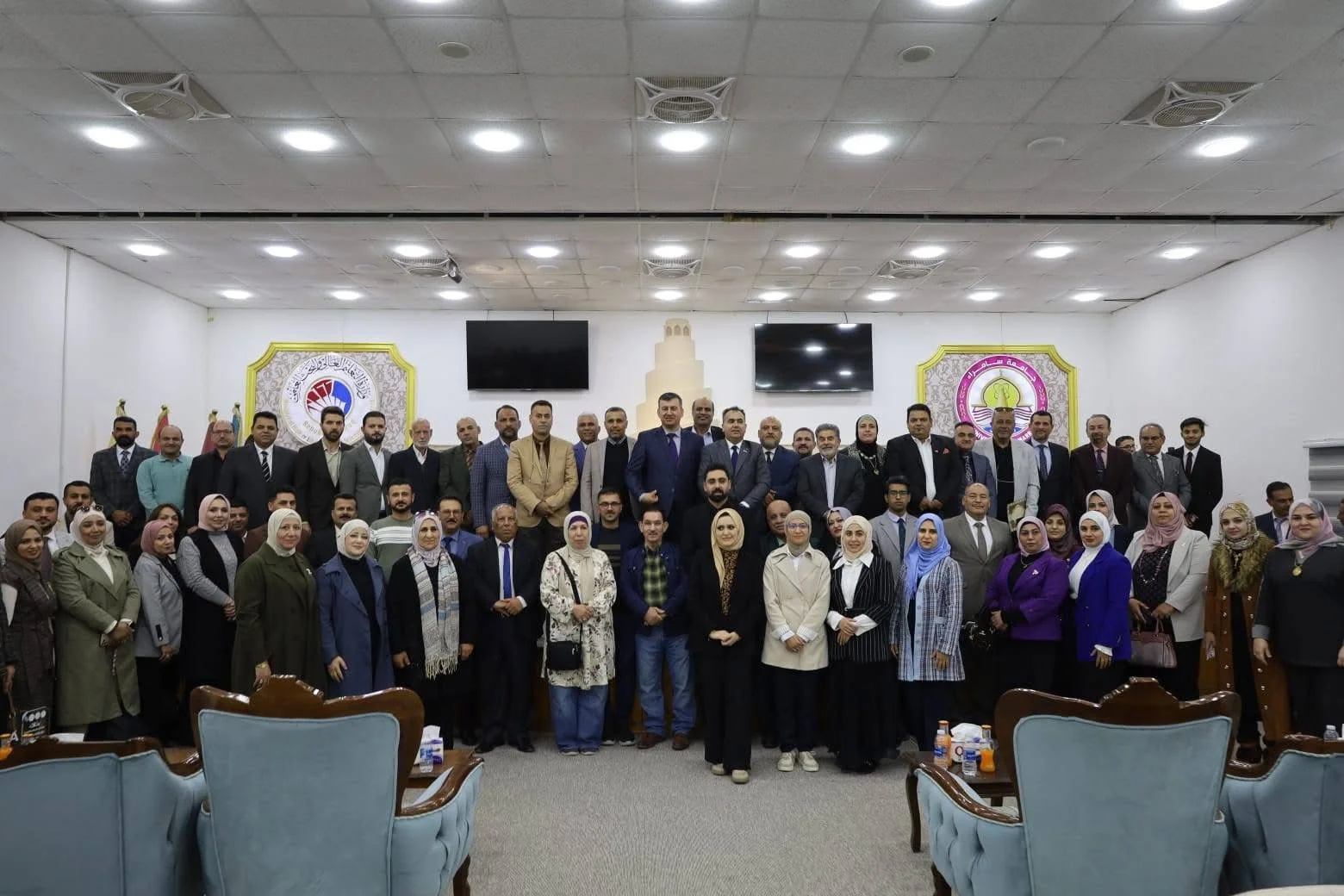
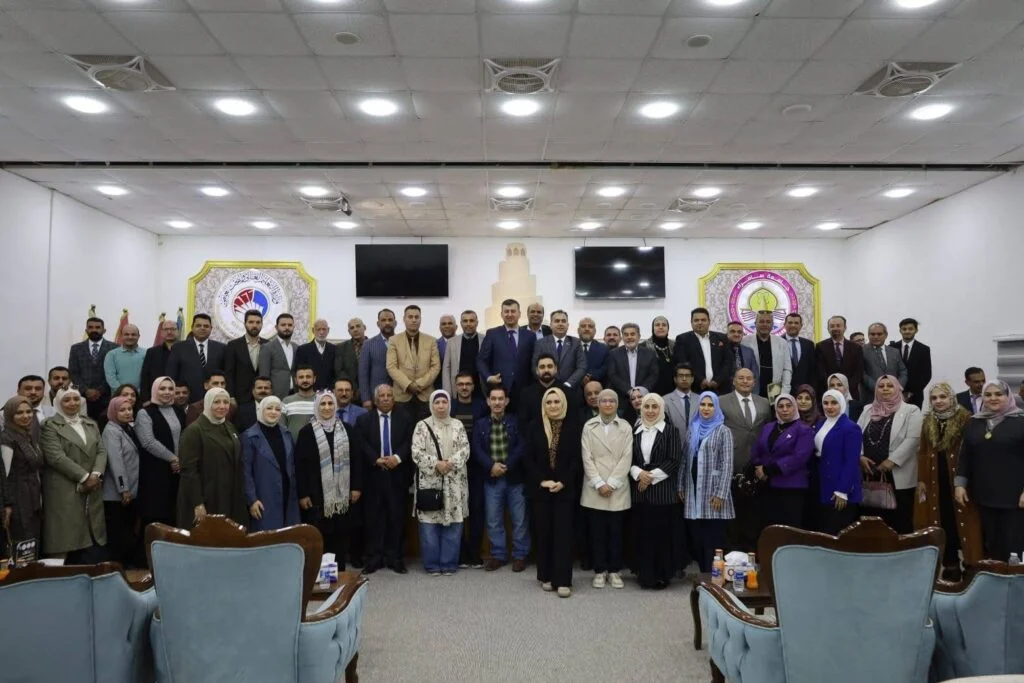
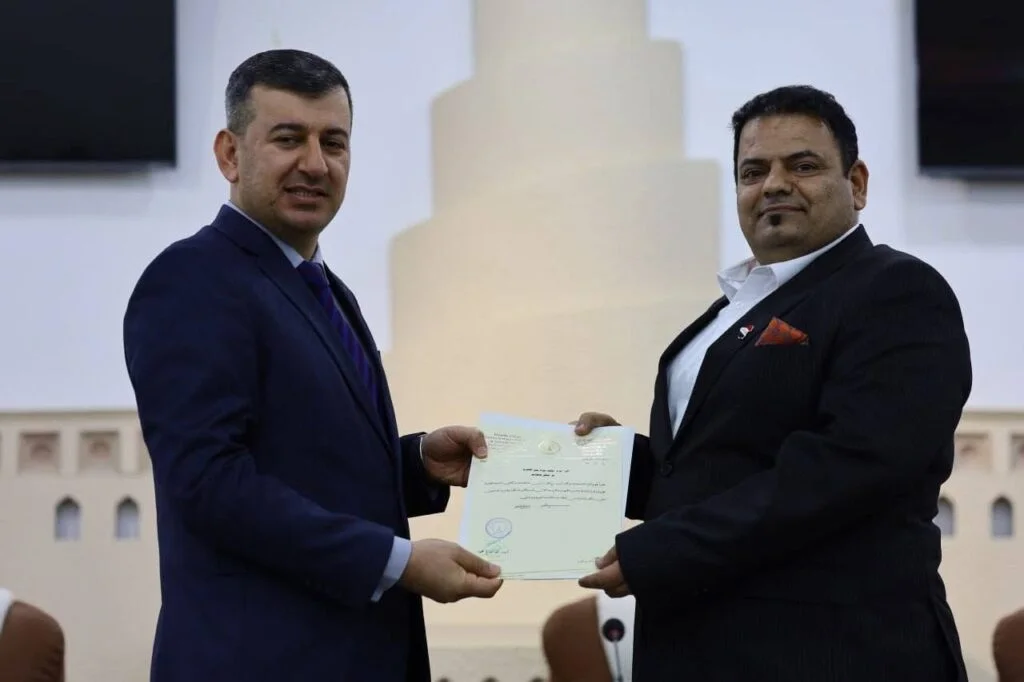
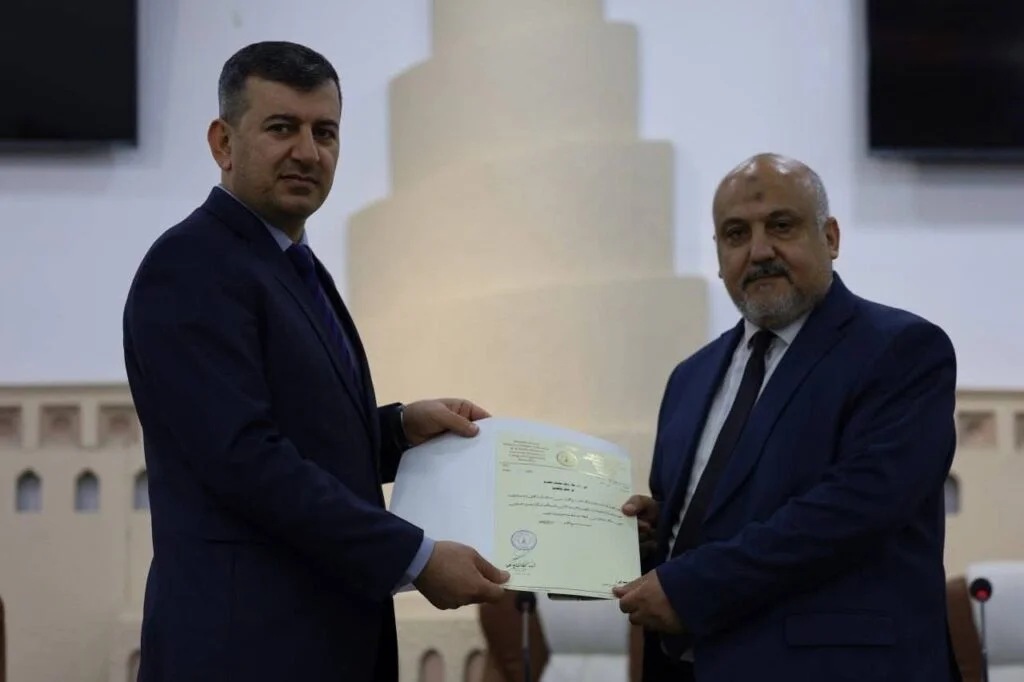
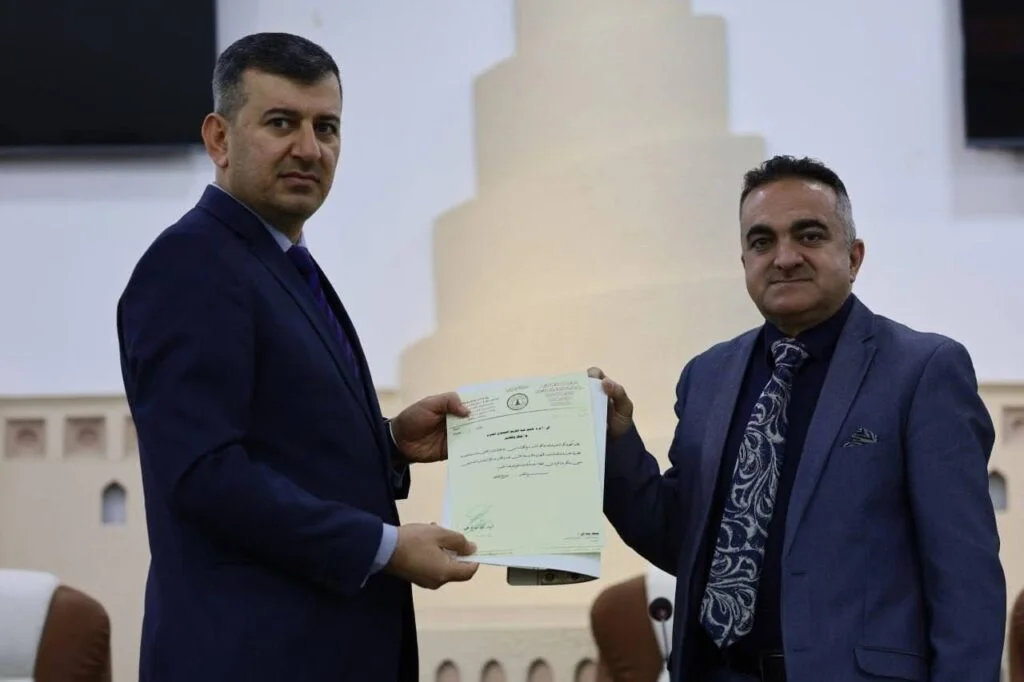
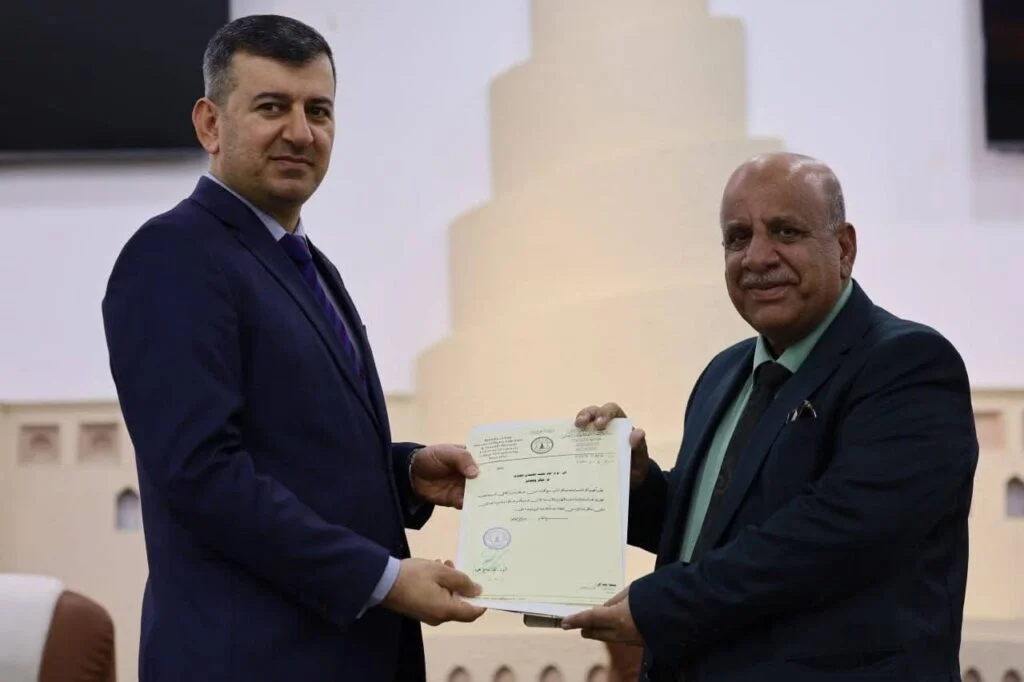
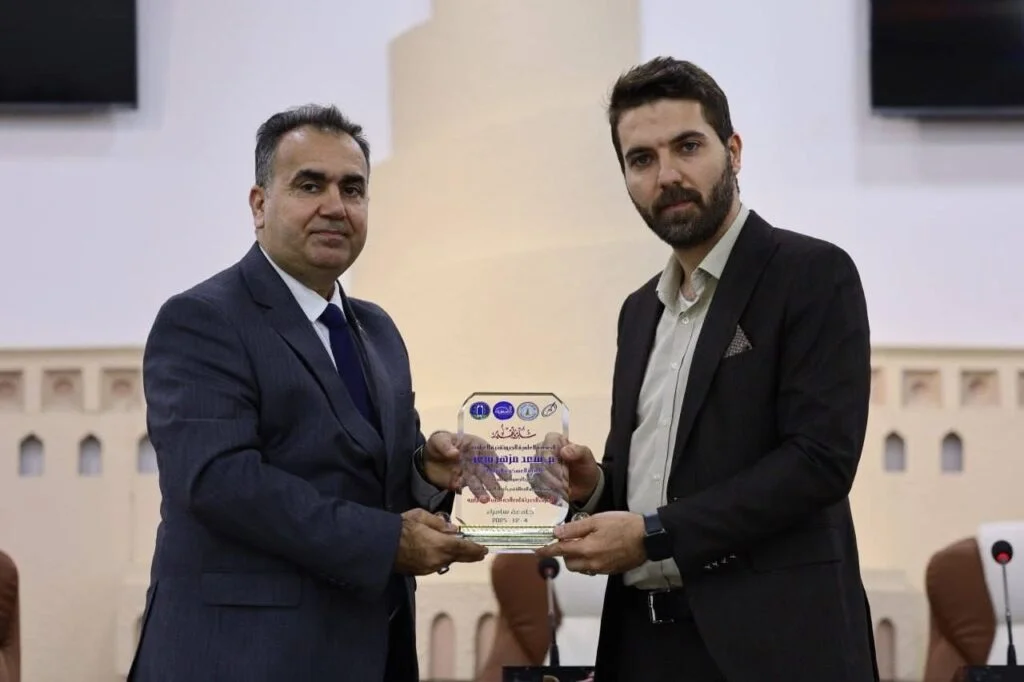
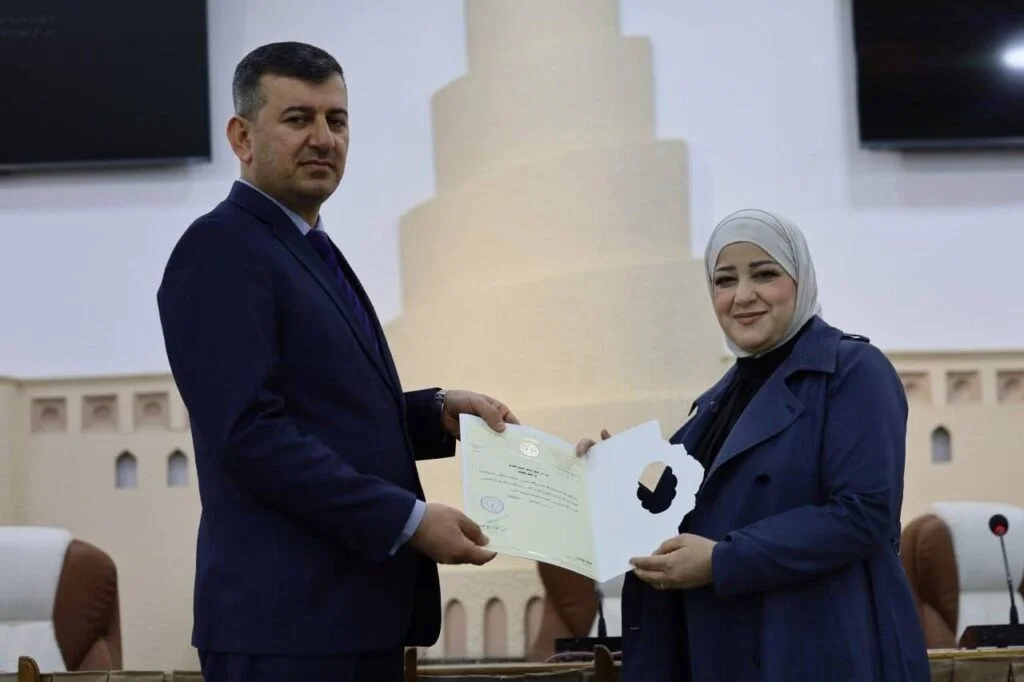
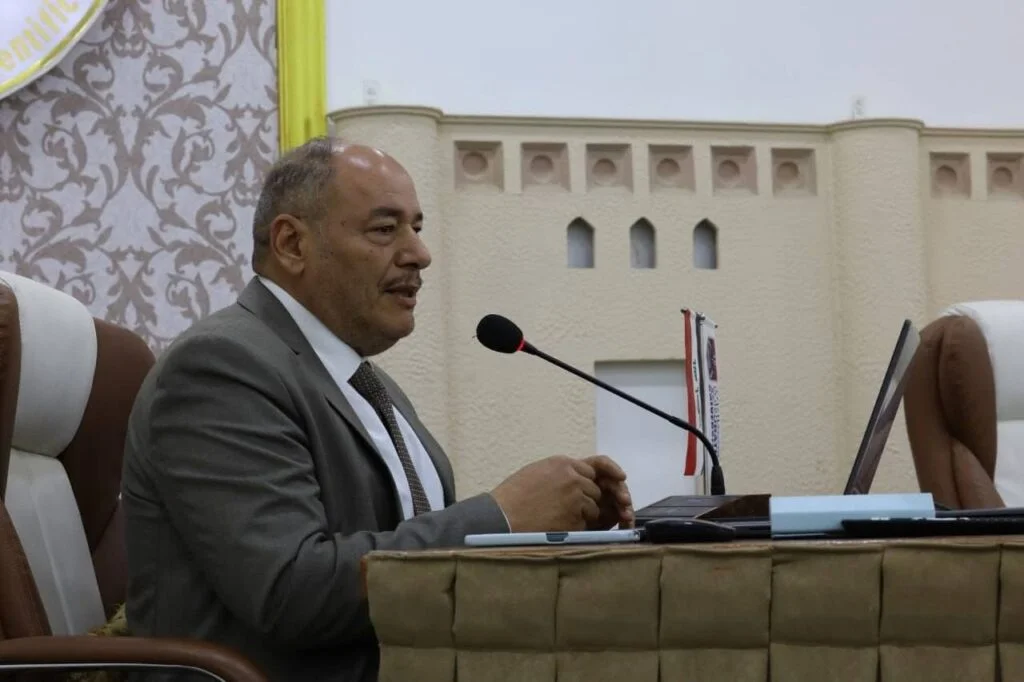
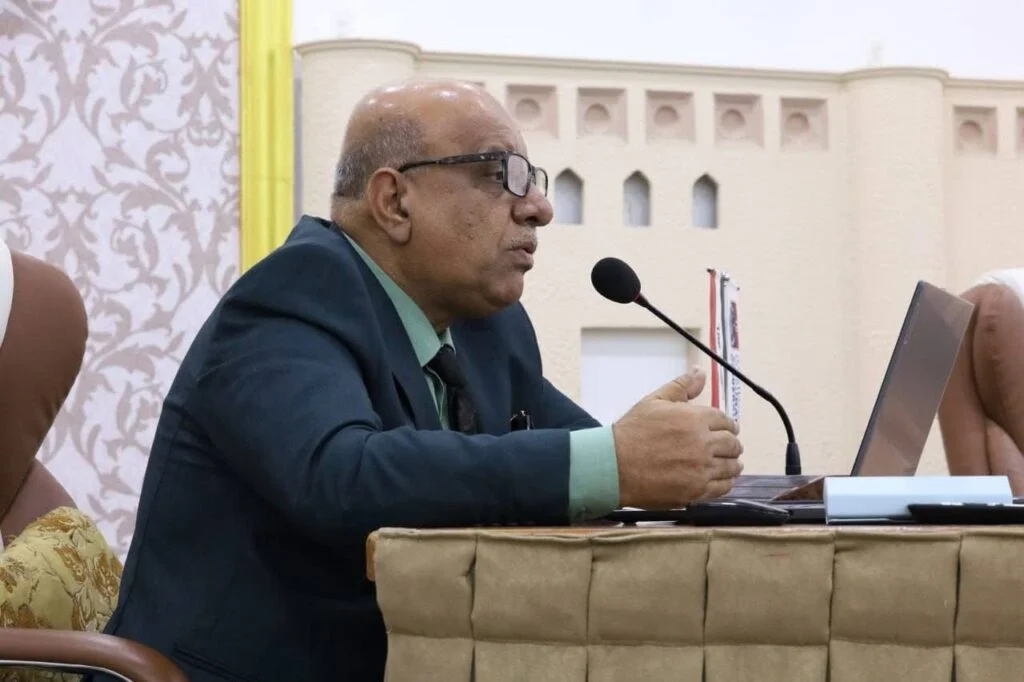
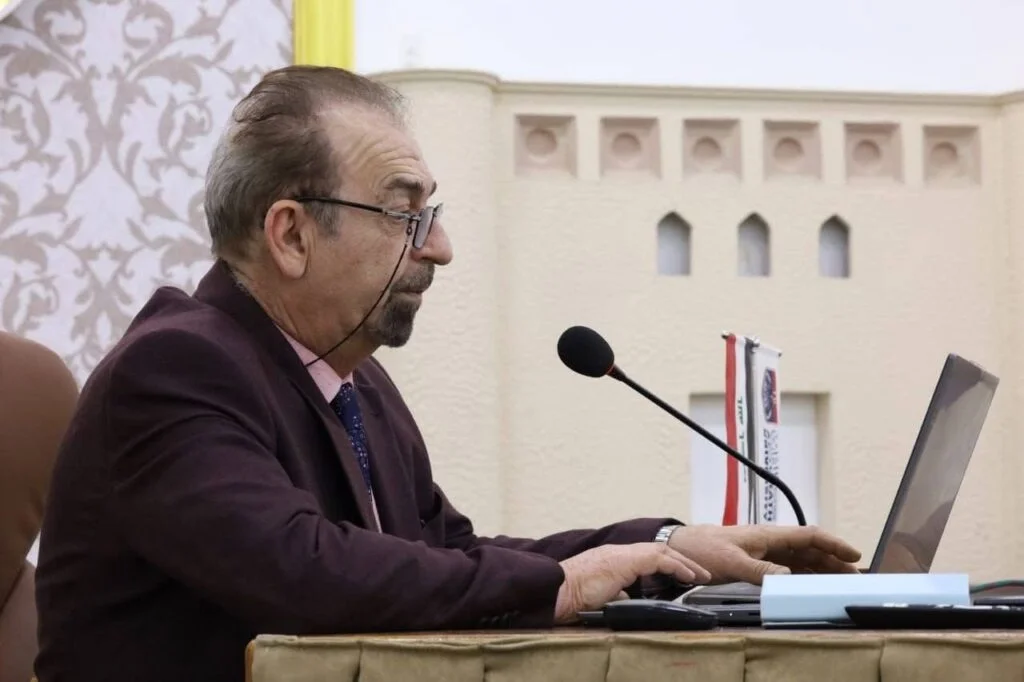
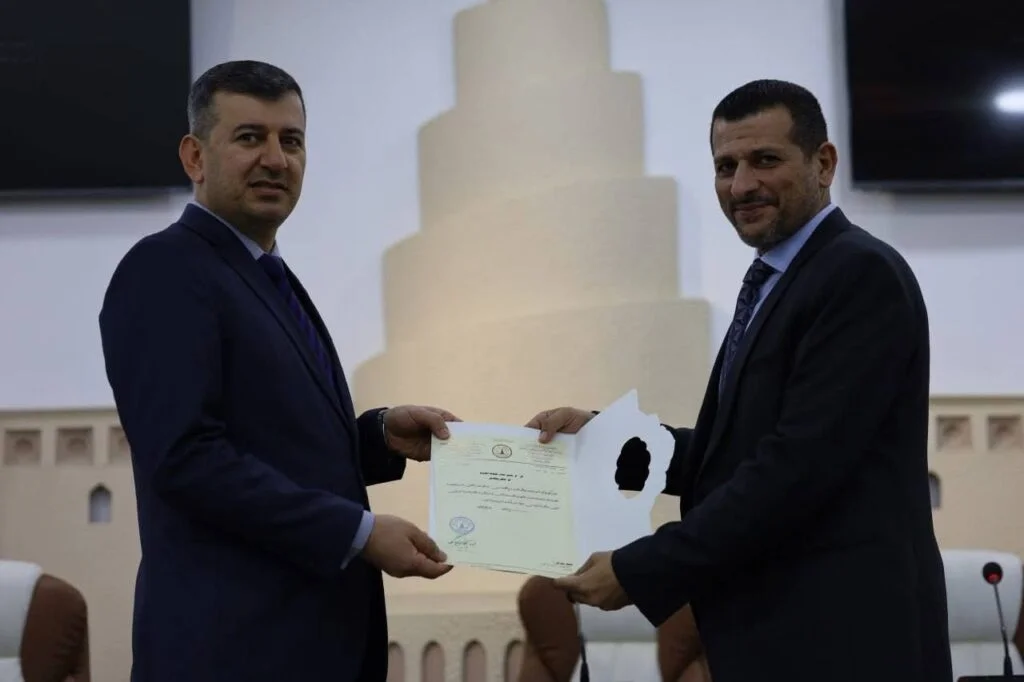
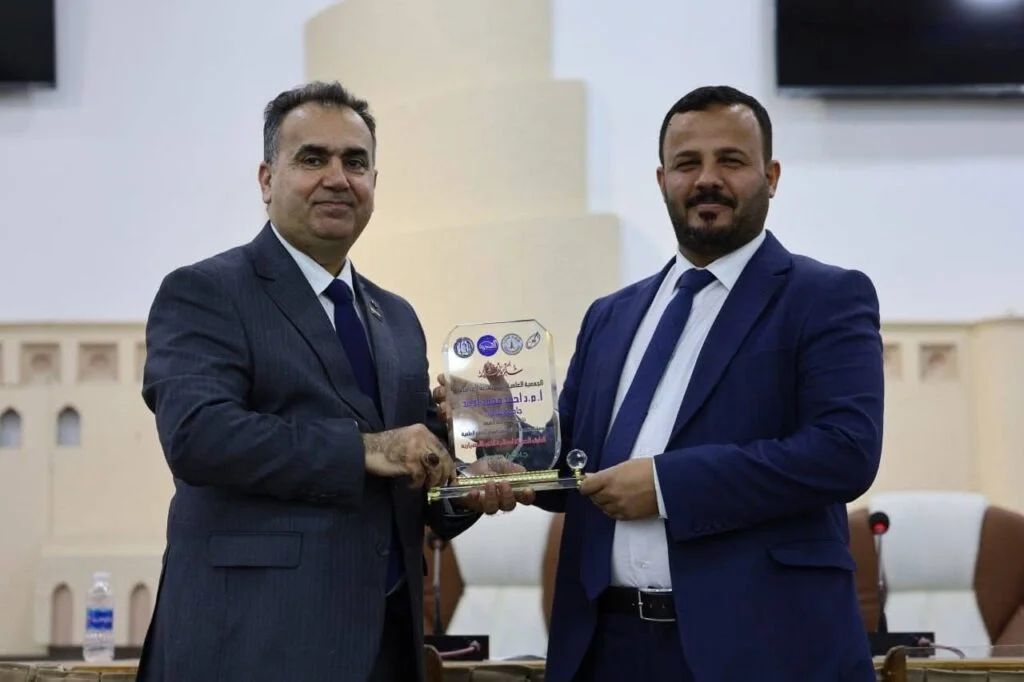
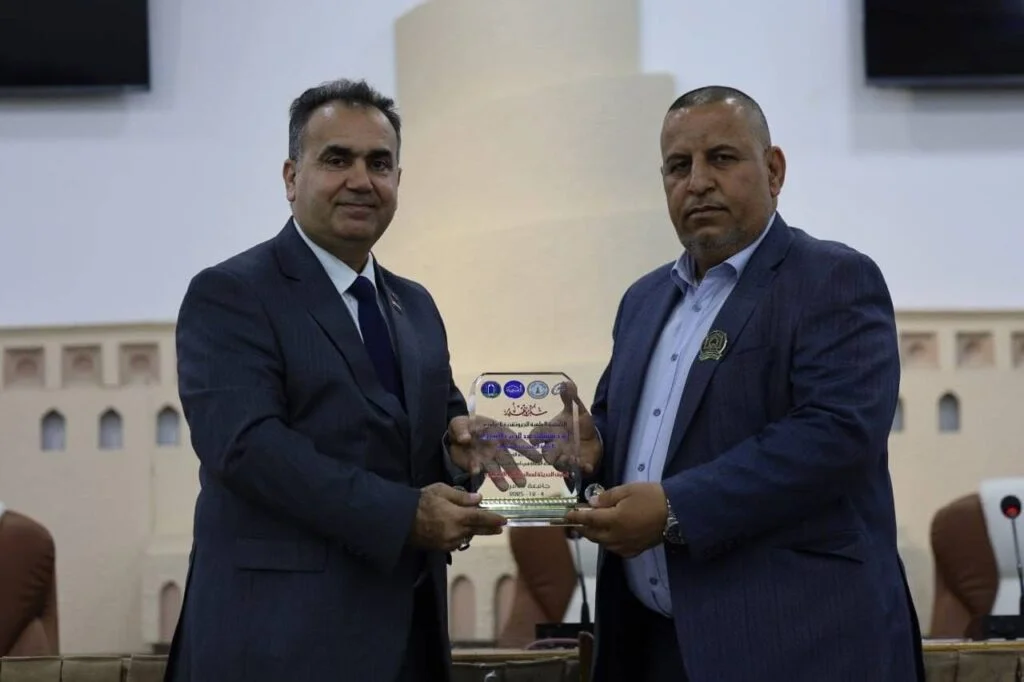
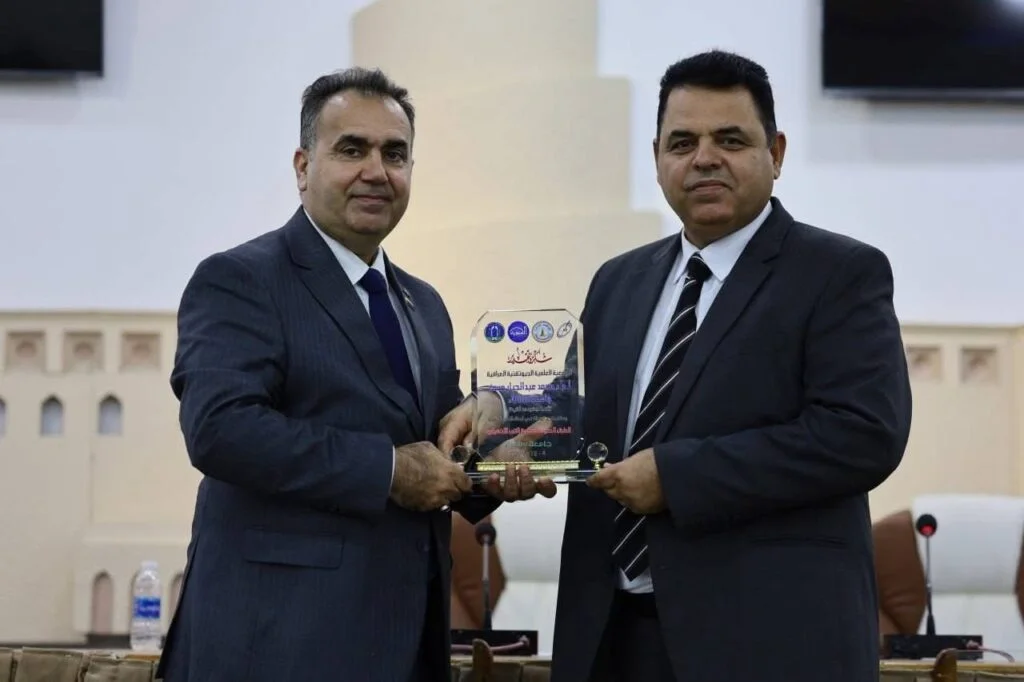
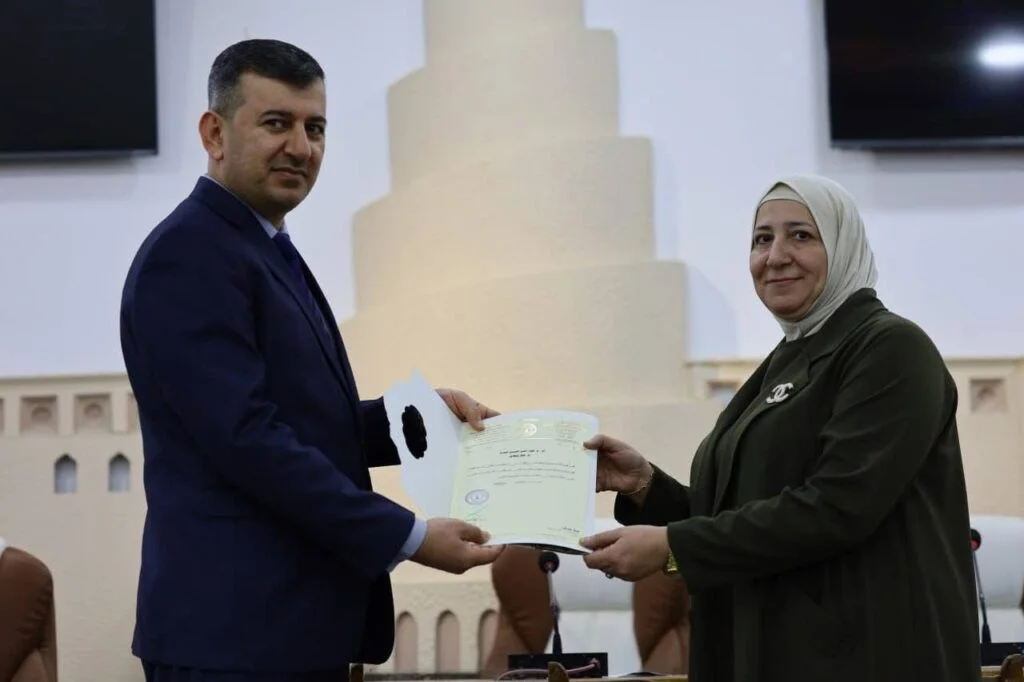
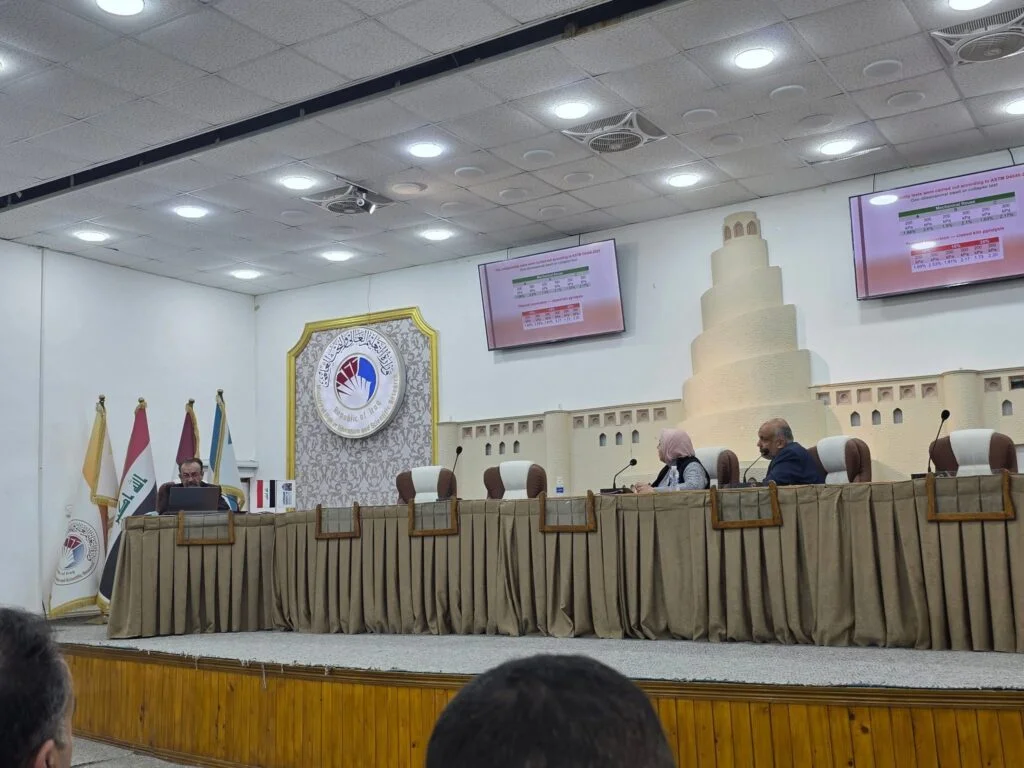
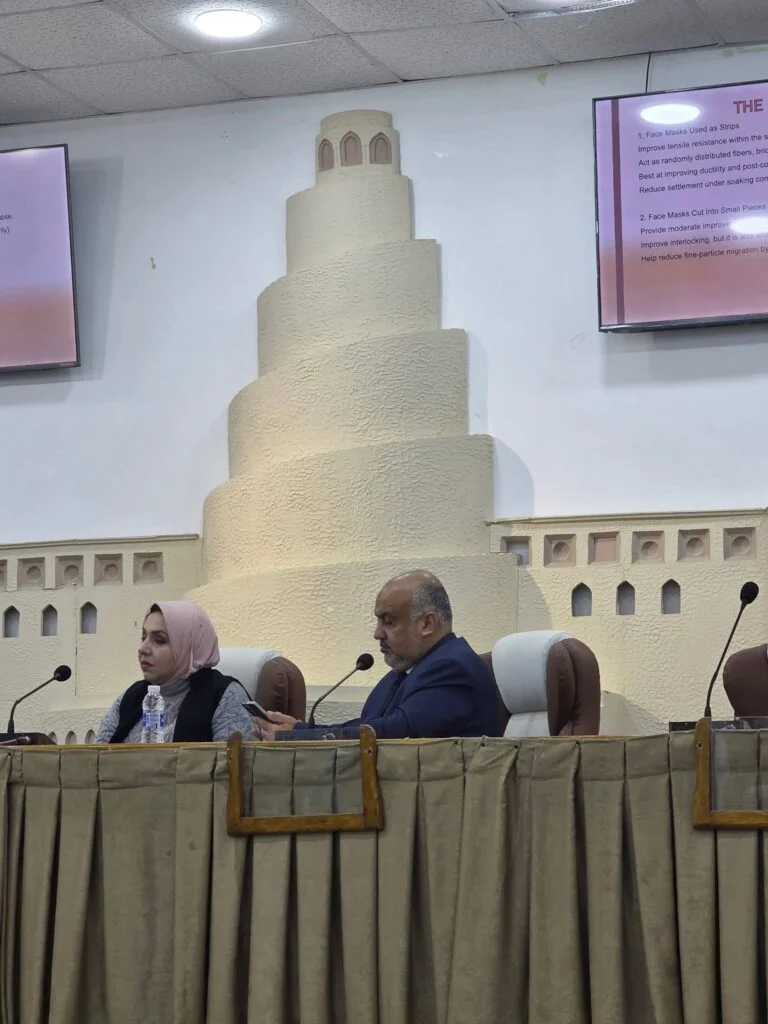
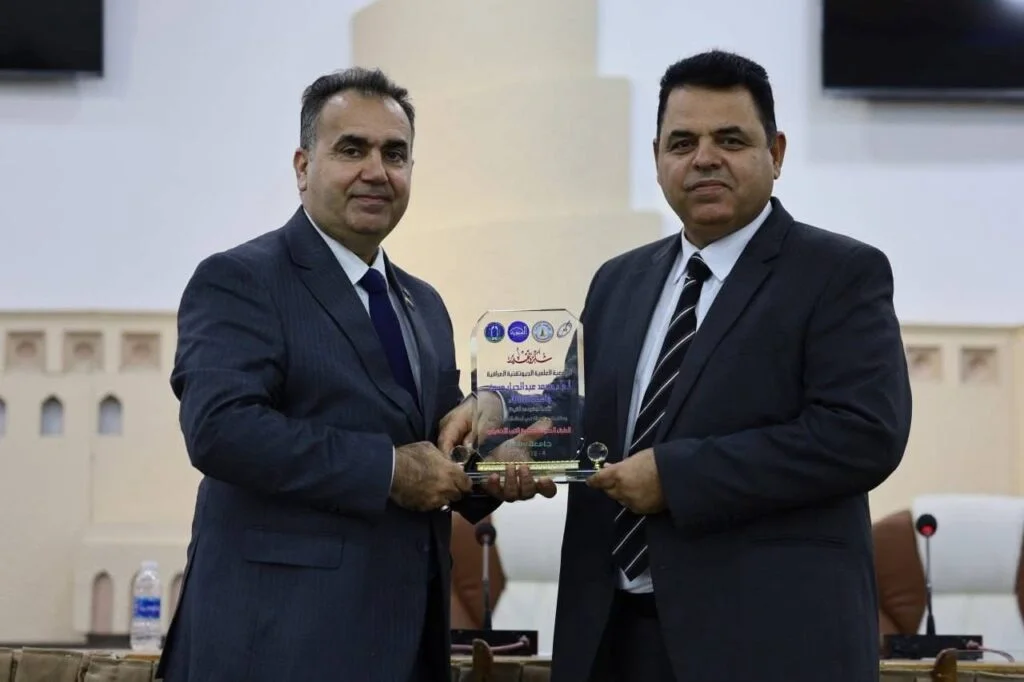
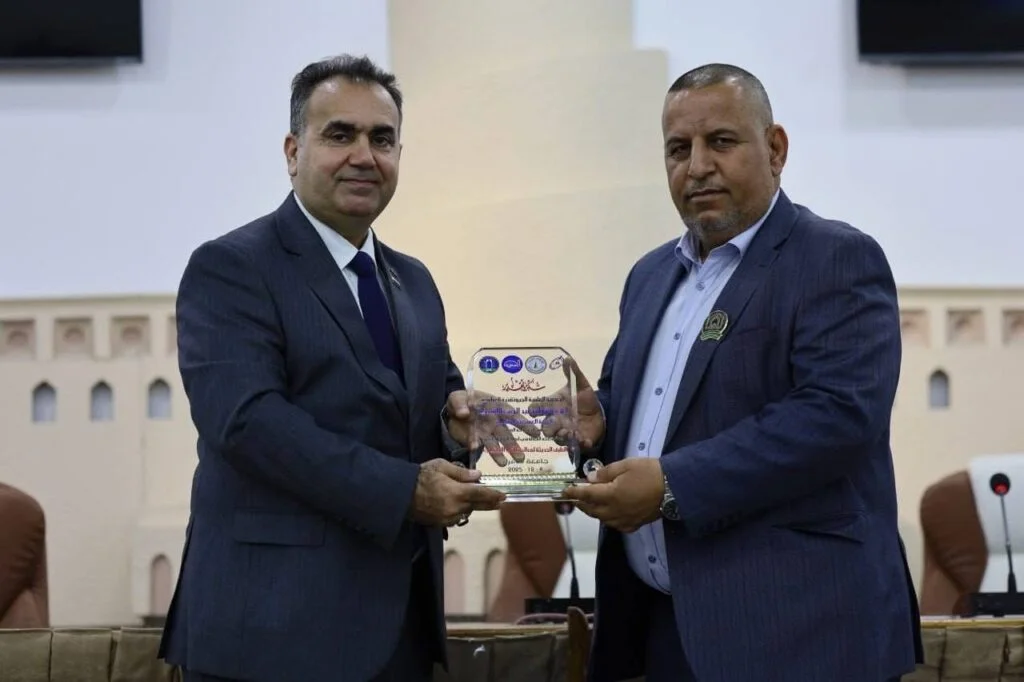
In an active scientific atmosphere and with distinguished participation from geotechnical experts, engineers, and academics, the Iraqi Scientific Geotechnical Society organized a scientific symposium titled "Modern Techniques for Treating Collapsible Soils", in cooperation with the College of Engineering – University of Samarra, the Al-Askari Holy Shrine, and the Department of Construction and Projects at the University of Baghdad. This symposium was held in response to the growing need to address the challenges posed by collapsible soils, which represent one of the most significant geotechnical issues affecting infrastructure projects in Iraq.
Symposium Topics and Scientific Content
The symposium featured a set of specialized research papers, five in total, presented by researchers from the University of Baghdad, University of Samarra, University of Tikrit, and Al-Turath University. The presentations addressed the following themes:
- A scientific overview of collapsible soils, highlighting their geotechnical properties and behavior under various conditions.
- The engineering problems caused by such soils and their impacts on foundations, structures, roads, and tunnels.
- Modern geotechnical treatment techniques, including chemical grouting, and biotechnical improvement methods such as MICP and EICP.
- Local case studies from Iraqi regions affected by collapsible soils, including Samarra, Salah Al-Din, Al-Anbar, and Diyala.
- Practical applications of advanced treatment technologies and methods for integrating them into infrastructure projects in alignment with geological conditions and available resources.
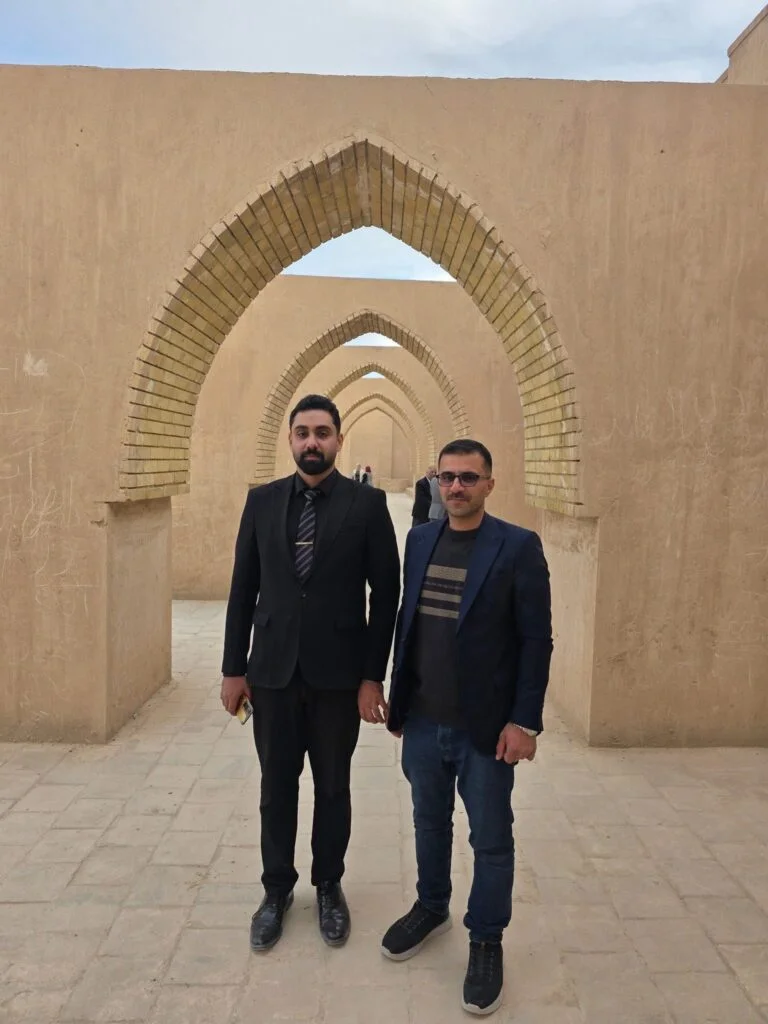
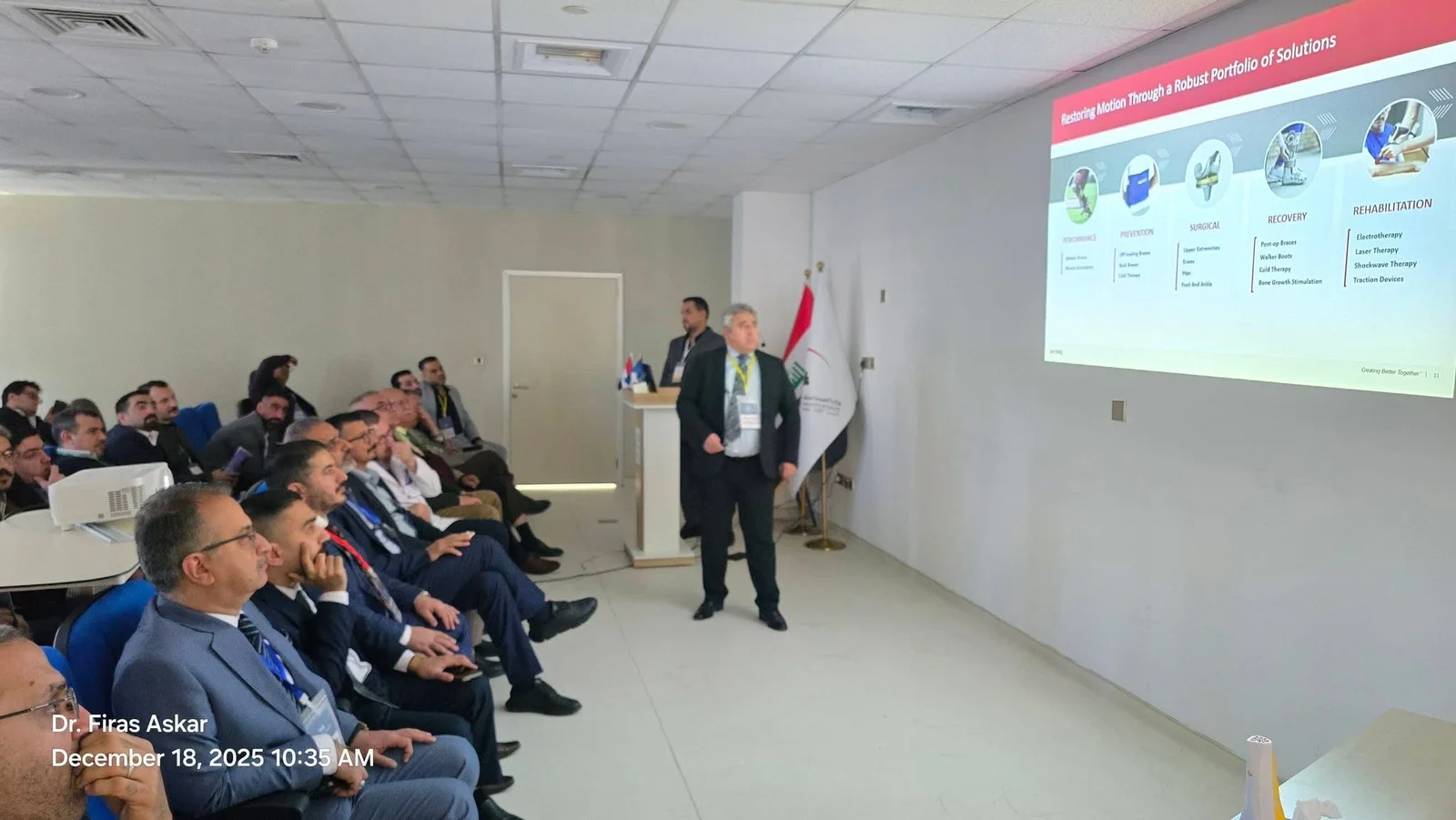
The sessions were marked by rich scientific discussions involving professors, researchers, and graduate students, adding a highly interactive dimension to the event and enhancing the exchange of knowledge among participating universities. The symposium also witnessed broad participation from specialists in geotechnical engineering, along with representatives from governmental engineering departments, engineers working in reconstruction projects, and students from various Iraqi universities, reflecting the growing interest in this vital field. Following the conclusion of the symposium's activities, the delegation conducted a visit to the Al-Askari Holy Shrine, which included meetings with its Secretary-General and members of the administrative staff. The visit also included several heritage sites in the city of Samarra to directly examine the nature of the soils upon which these historic landmarks were constructed. This field tour provided an important opportunity to understand the unique geotechnical challenges faced by heritage structures and to explore modern scientific approaches for their preservation.
The symposium's recommendations emphasized the importance of strengthening scientific collaboration between Iraqi universities and research institutions to advance modern techniques for treating collapsible soils, given their crucial role in ensuring the safety of structures and supporting the progress of reconstruction projects, especially in areas characterized by complex geotechnical conditions.
Mahdi Karkush/President of the Society
Maher Murad Jabr/Financial Secretary