Engineering Management: Between Technology and Administration
Zahid al-Bayati
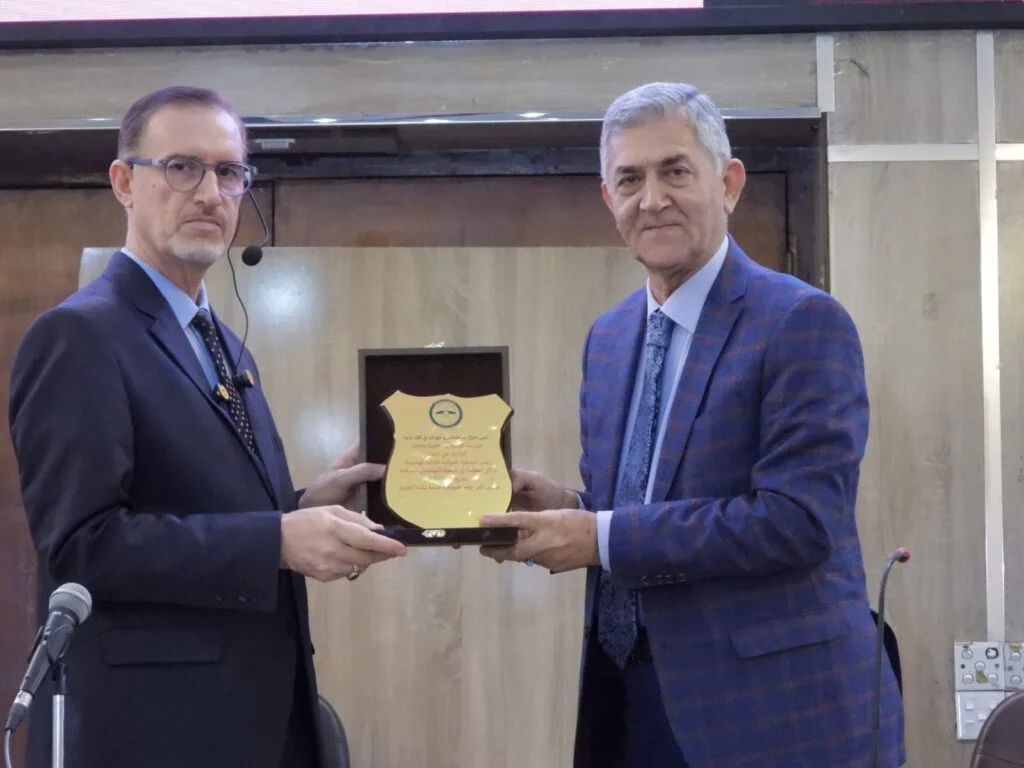
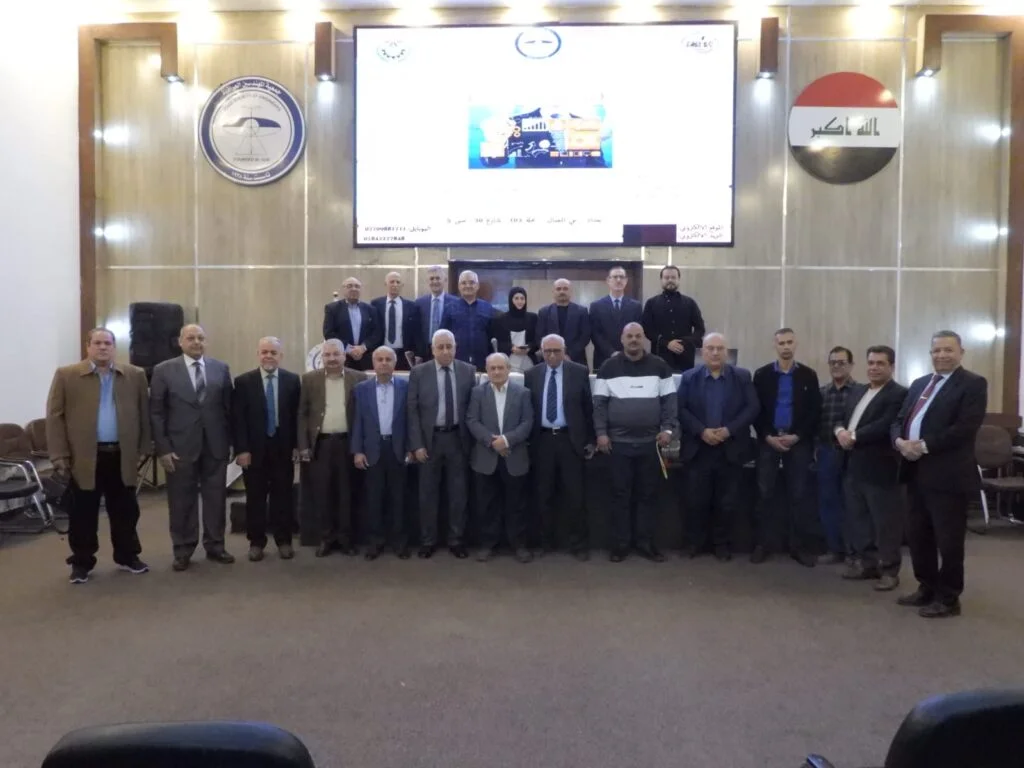
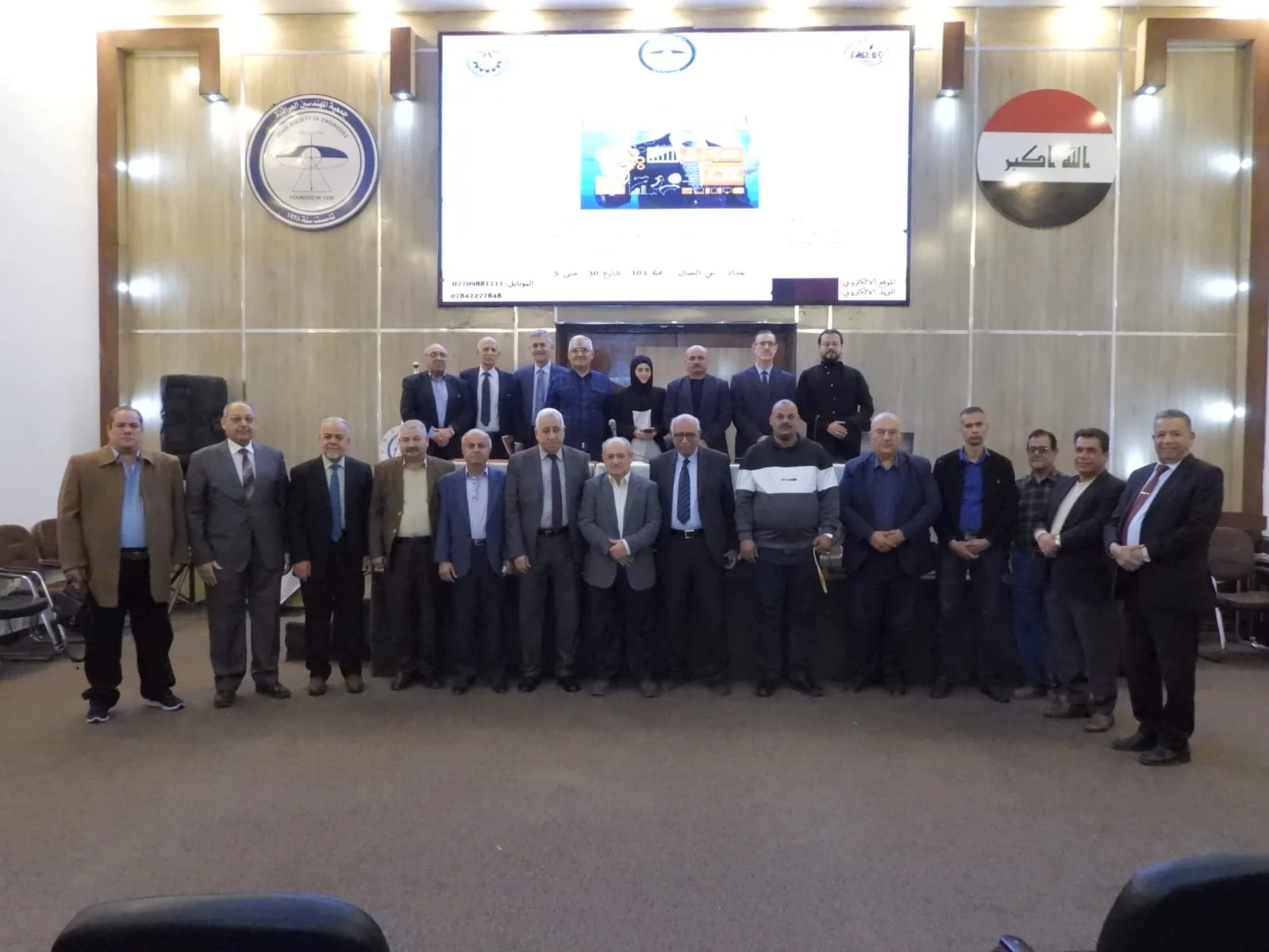
While politicians and voters were preoccupied with following the election results and anticipating the vote tally, the hall of the Iraqi Engineers Association in Baghdad witnessed on Saturday morning
29 / 11 / 2025
a distinguished scientific event organized by the Council of Elders for Dialogue and Governance in cooperation with the Iraqi Engineers Association, represented by a sober symposium titled:
“Engineering Management between Technology and Administration.”
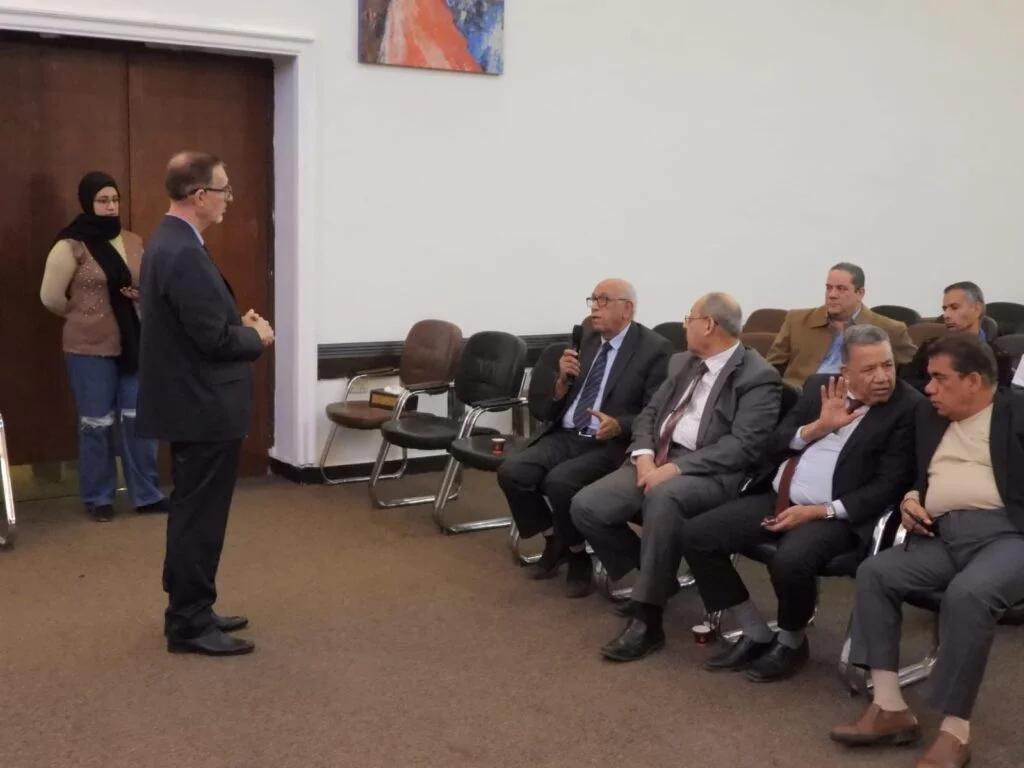
The symposium was presented by Consultant Dr. Ali Adham, President of the Iraqi Society for Engineering Management, who outlined his vision for the optimal utilization of the concept of engineering management and its role in the scientific and civilizational renaissance of developed countries. The discussions were moderated by Consulting Engineer Amer al-Jawahiri.
Dr. Adham began his lecture by saying:
The massive digital transformations the world is witnessing make it necessary for Iraq to move toward smart management, despite the challenges facing engineering management, most notably:
- Resistance to change within institutions.
- A shortage of competencies that combine technical and administrative skills.
- Cybersecurity risks and data protection.
He explained that the Iraqi engineer who manages projects must address these challenges by integrating modern technologies—such as software and artificial intelligence—with administrative strategies, as engineering management has become the “science of the future” and the foundation of institutional success in an era of accelerating development.
He also emphasized that engineering management is no longer merely an academic specialization but has become an administrative methodology based on science, planning, and analysis.
Dr. Adham also touched on his academic experience in Malaysia and the doctoral dissertation he completed at an automotive manufacturing company through the application of modern technologies.
He pointed to the most successful countries in the field of engineering management, citing global models of major corporations that achieved qualitative leaps thanks to this approach, such as:
Google, Amazon, Tesla, Alibaba, TikTok, and others.
At the conclusion of his lecture, he presented a set of recommendations he deems necessary to keep pace with the world and move from stagnation toward the rising space of technology, including:
- Developing Iraqi cadres through intensive training and rapid courses to enhance skills.
- Establishing specialized colleges and departments in engineering management that grant bachelor’s and postgraduate degrees.
- Relying on predictive models using historical data to analyze and anticipate social, political, security, and economic events.
The symposium concluded with rich discussions involving experts, researchers, and engineers, especially project managers in the oil, roads, bridges, and industry sectors, which added high intellectual and professional value to the event.