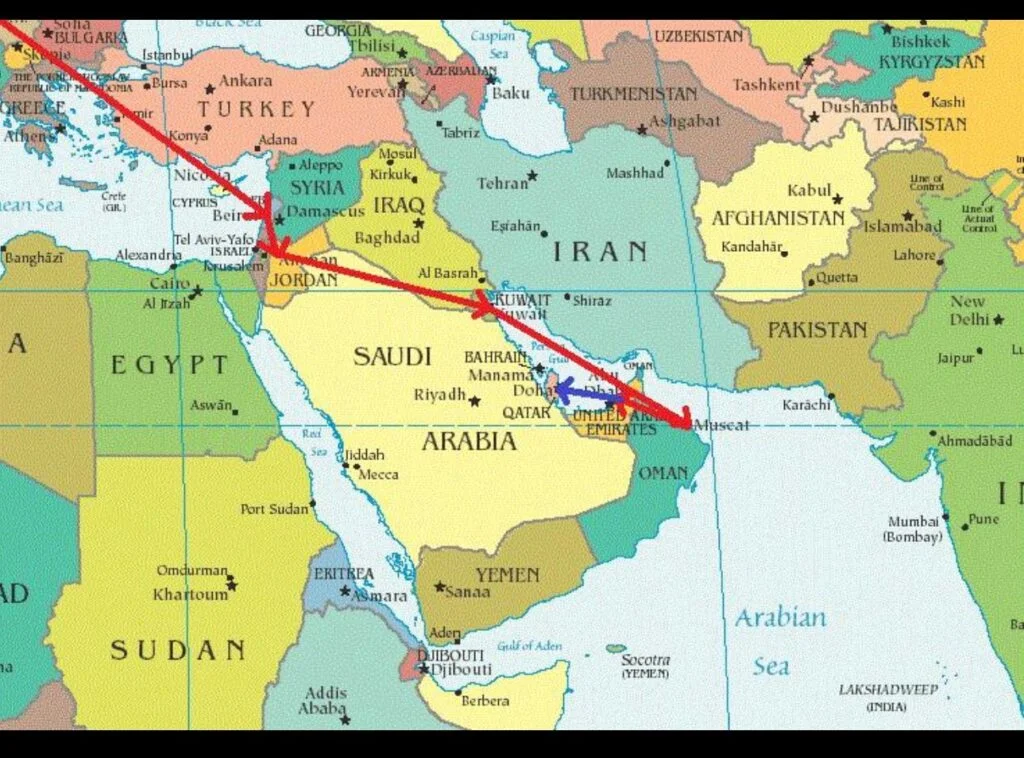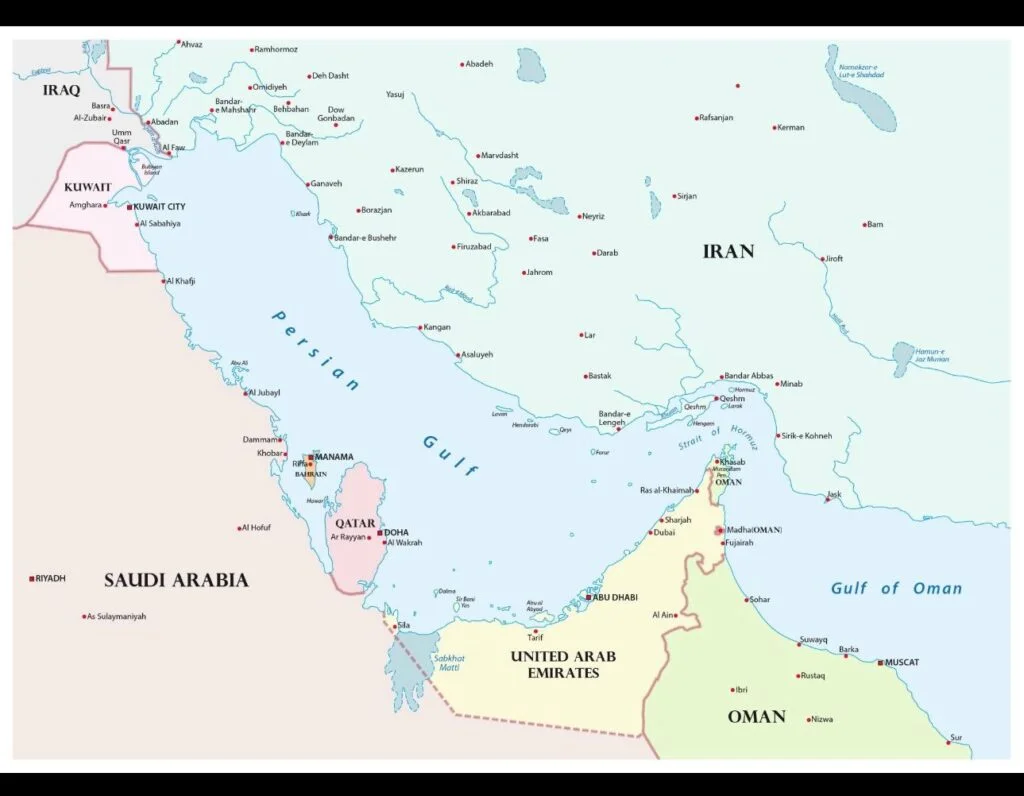
Bushehr Nuclear Power Plant (Islamic Republic of Iran, on the Gulf): In the event of an attack by both the United States and Israel, the nuclear radiation risks to the countries of the region in particular.
Prepared by: Dr. Talib Al-Mousawi
Iraqi Laser Society
University of Al-Kut
If we assume a scenario targeting an operational nuclear facility such as Bushehr, the potential radiological impact on Gulf states depends on three critical factors:
(1) The extent of damage to the reactor core/nuclear fuel, (2) Wind direction and weather, (3) The speed of local and international response and containment …
⚛️ What might happen inside the plant?
• Bushehr is a pressurized water reactor (VVER-1000).
• If the fuel pool or reactor core is damaged with loss of cooling, partial/complete meltdown and release of radioactive materials (such as iodine-131 and cesium-137) may occur.
• It is not a "nuclear explosion" like a weapon, but a very serious radiological accident similar to Chernobyl/Fukushima, though its severity depends on the extent of damage inflicted by the attack …
🌬️ How radiation spreads
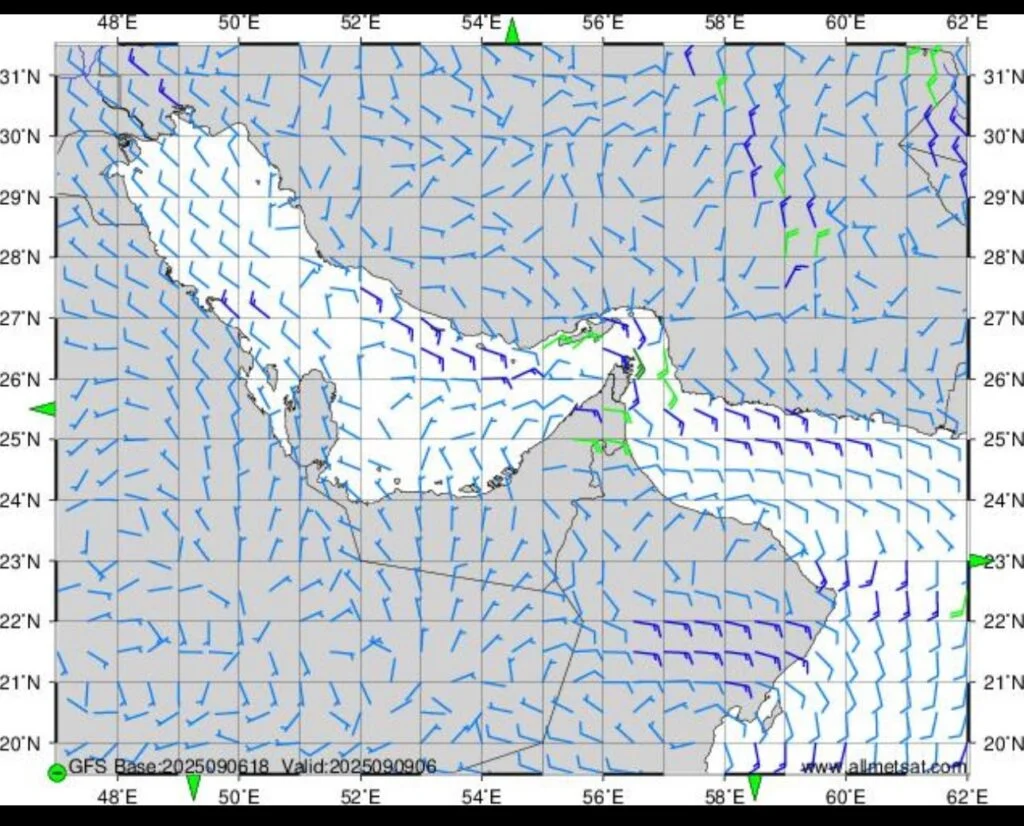
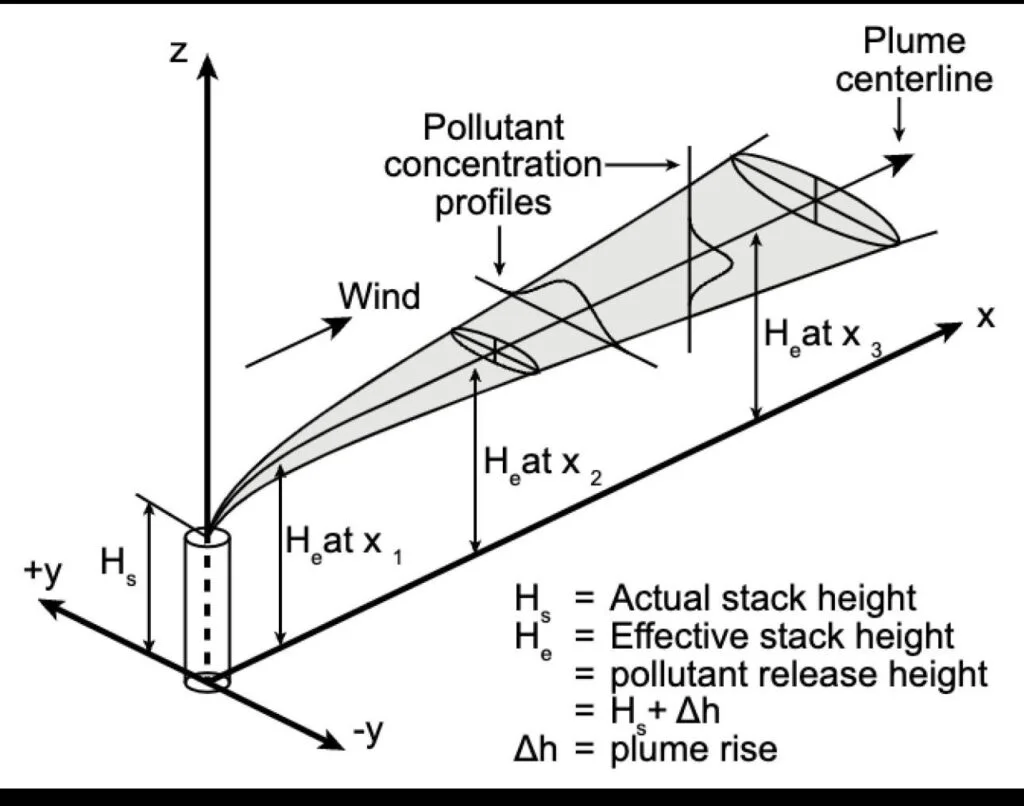
The radioactive cloud travels with prevailing winds:
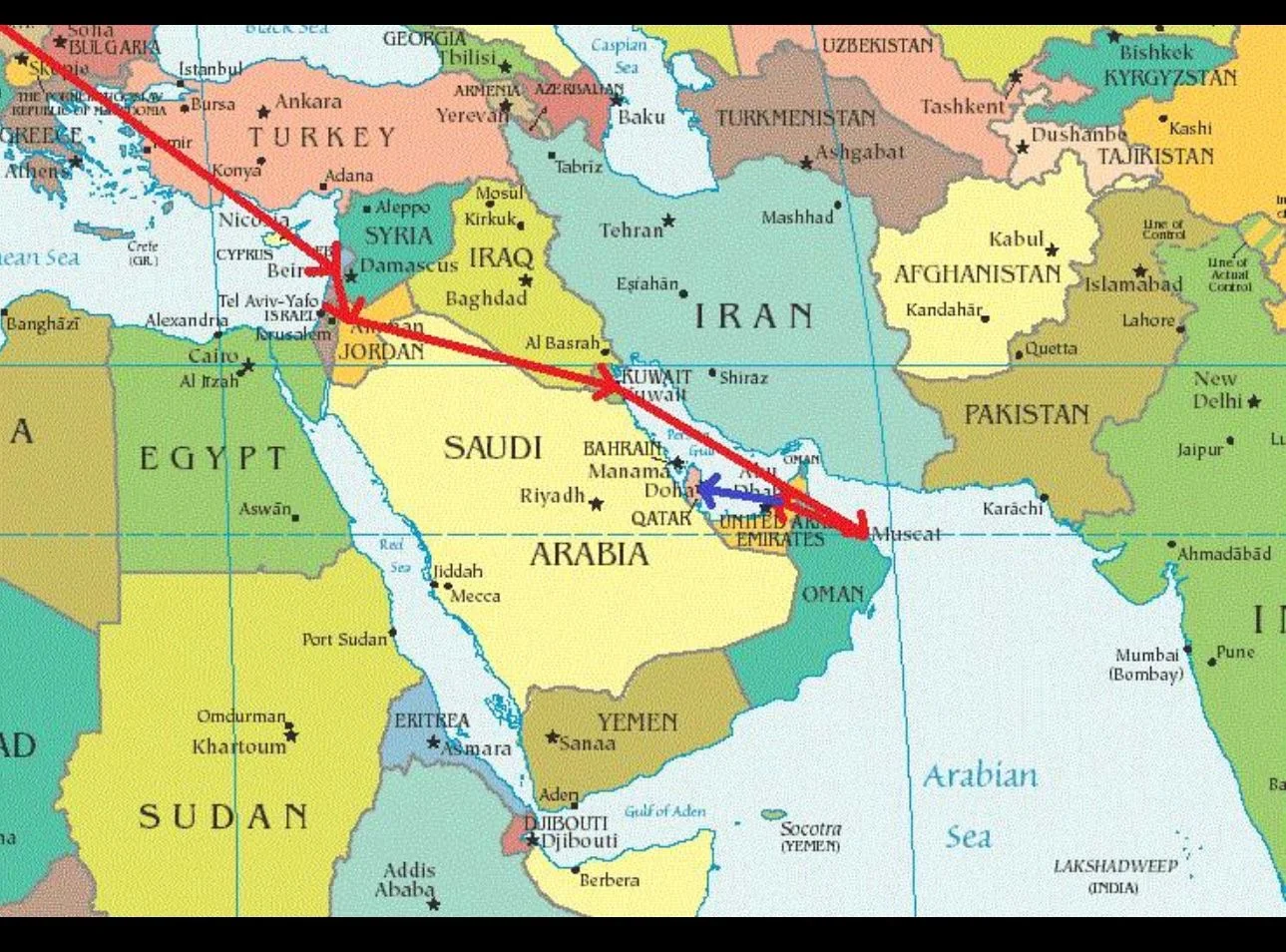
• At many times of the year, northwesterly or southeasterly winds prevail, which may directly push contaminants toward the south and east of the Gulf.
• Rain (if present) may deposit contaminants onto land/sea (wet deposition).
• Wind speed and cloud height determine the reach within hours to various wide areas in the region…
🌍 Potential impact on Gulf states
1) Air pollution
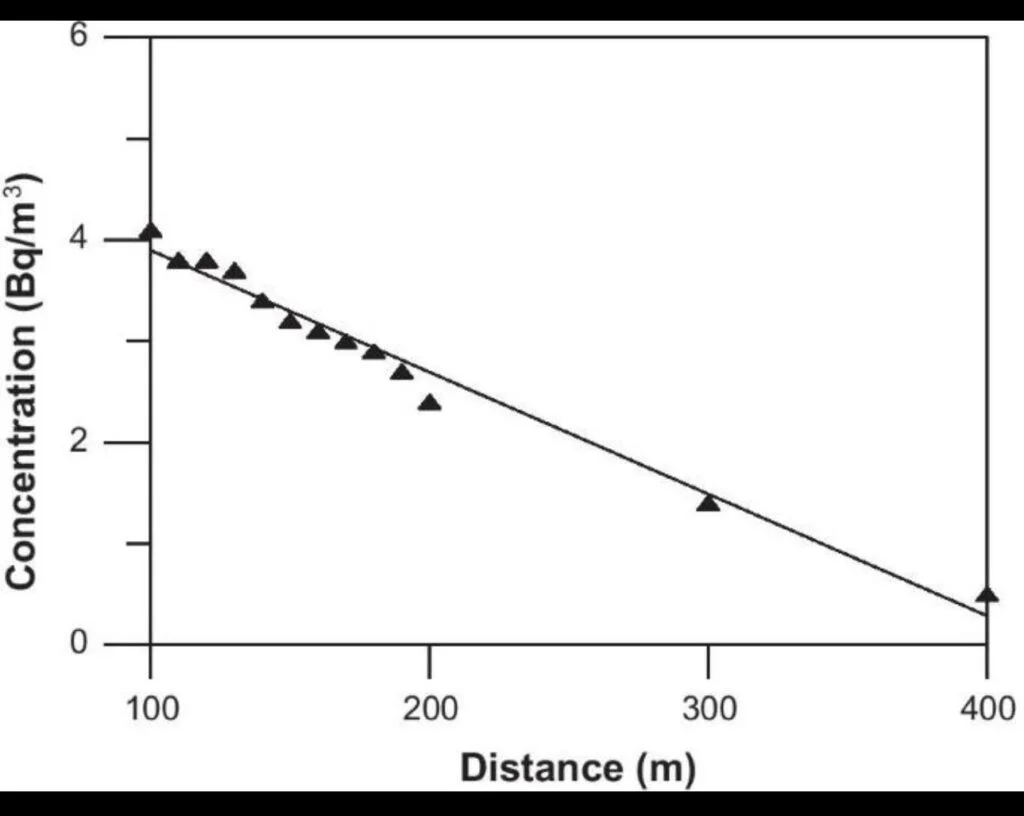
• Arrival of varying doses depending on distance and weather.
• Short-term health risks are usually beyond control, but chronic exposure is associated with increased risks of various cancers (especially iodine-131 for the thyroid gland).
2) Marine pollution
• Bushehr is on the coast; any leakage into the sea could contaminate Gulf waters.
• Directly affected are:
• Desalination plants (essential for drinking water in the Gulf)
• Fisheries and the food chain …
3) Soil and food
• Deposition of cesium-137 may contaminate soil and agricultural crops in the area at risk of radiation, particularly in rainfall zones.
🧭 Most affected?
• Geographically closest and on the wind path:
Kuwait, eastern Saudi Arabia (Eastern Province), Bahrain, Qatar, and the UAE
• Iraq (south) may be affected if winds shift north/northeast at certain times.
• Oman is likely the least affected, but could be impacted quickly if wind direction changes.
⏱️ Approximate comparison with past accidents
• Fukushima (2011): Significant marine leakage and widespread effects.
• Chernobyl (1986): Continental spread due to explosion and prolonged fires.
• In Bushehr: The outcome could fall between the two, depending on the severity of damage and containment.
🛡️ Expected emergency measures (internationally and regionally)
• Temporary shutdown of desalination plants if contamination is detected.
• Intensive radiological monitoring of air, water, and food.
• Health guidance (staying indoors, masks, iodine tablets in specific cases and under the supervision of health institutions).
• Coordination with the International Atomic Energy Agency (IAEA).
Summary:
• Any targeting of an operational and active reactor such as Bushehr of the Islamic Republic of Iran in a potential aggression by both the US and Israel constitutes a transboundary radiological accident.
• The extent and severity of the impact on Gulf states are both constant and variable, depending on wind speed, weather, extent of damage, and speed of containment.
• The worst-case scenario includes air and marine pollution affecting water and food, while the less severe scenario may be limited to manageable low doses …